
Release time: Oct 10,2026
Views: 5
Safety and reliability are built from several kinds of evidence, not from one final pass result. A device may meet its dimensional requirements but use a material that behaves unexpectedly, or it may function correctly while manufacturing conditions introduce a contamination concern. Testing helps separate these questions and gives each one a measurable basis for review.
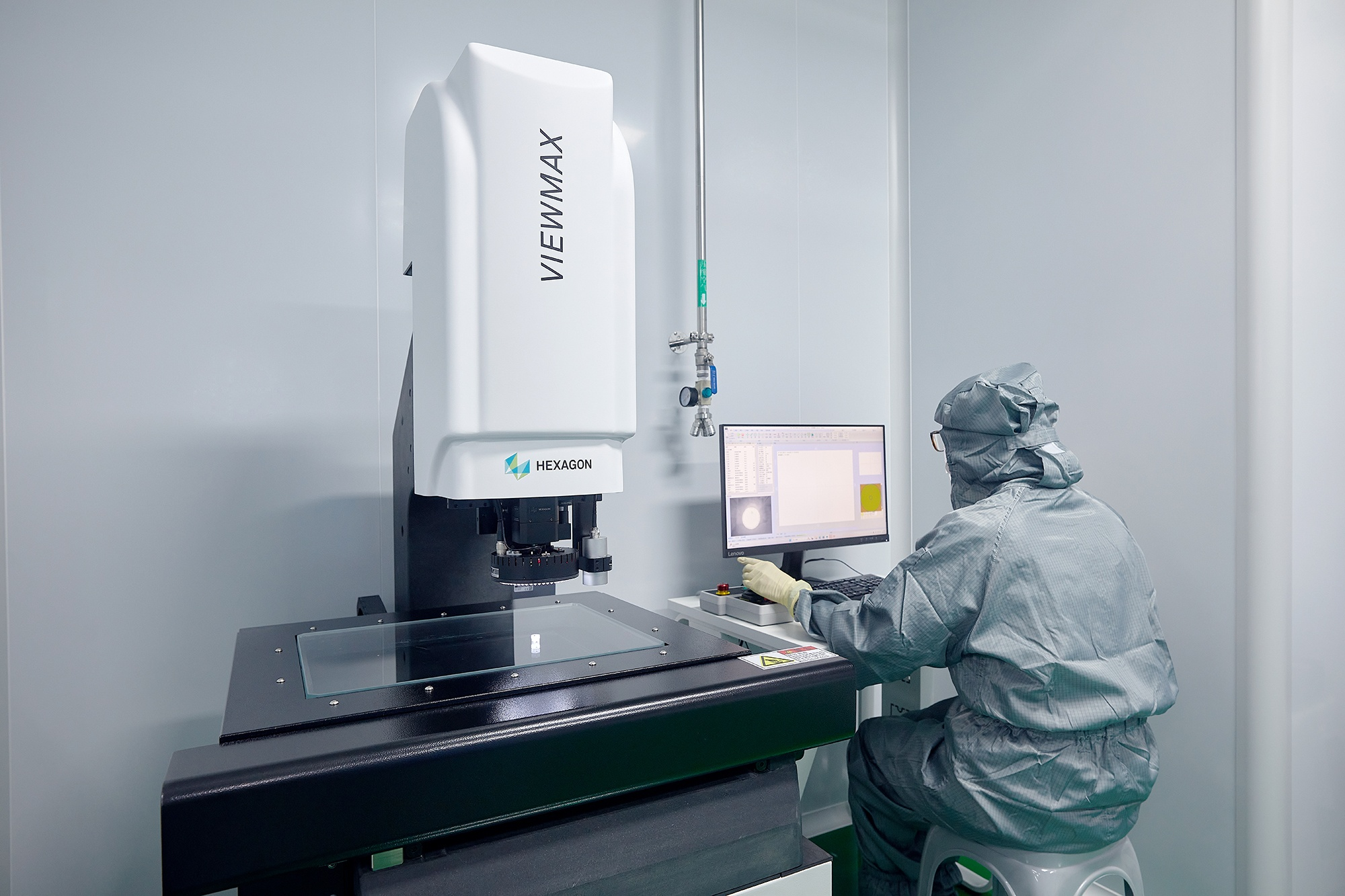
A well-scoped medical device testing program therefore looks at the product, materials, process, and environment as different evidence layers. At Kingsin, our laboratory support includes microbiological and physicochemical work, while manufacturing quality control covers incoming, in-process, and outgoing checks. Each type of evidence has a different role in understanding product performance.
Medical Device Testing Works Best as a Layered Evidence System
Product safety questions are rarely answered by one method. A dimensional inspection may confirm fit, but it cannot show how a material reacts with a disinfectant. Environmental monitoring can provide information about controlled production conditions, but it does not replace checks performed on the product itself.
A useful plan separates evidence according to purpose. Teams can then decide what each result means and what action it should trigger. Relevant areas may include:
l dimensional checks for critical geometry and interfaces;
l functional checks for defined operating performance;
l material testing for physical properties and interactions;
l microbiological testing for contamination-related questions;
l environmental monitoring for controlled production conditions.
This layered structure prevents one passing result from being interpreted as proof that unrelated risks have also been addressed. It also makes responsibilities clearer because engineering, laboratory, manufacturing, and quality teams can interpret the evidence relevant to their own work.
Medical device testing becomes more useful when all of these findings are compared with the same approved product definition rather than reviewed as disconnected reports.
Use Bioburden Data to Understand Microbial Load Before Sterilization
Bioburden testing provides information about the microbial load present on a device before sterilization.The result can help teams understand whether product handling and manufacturing conditions are remaining within the expected microbiological control approach.
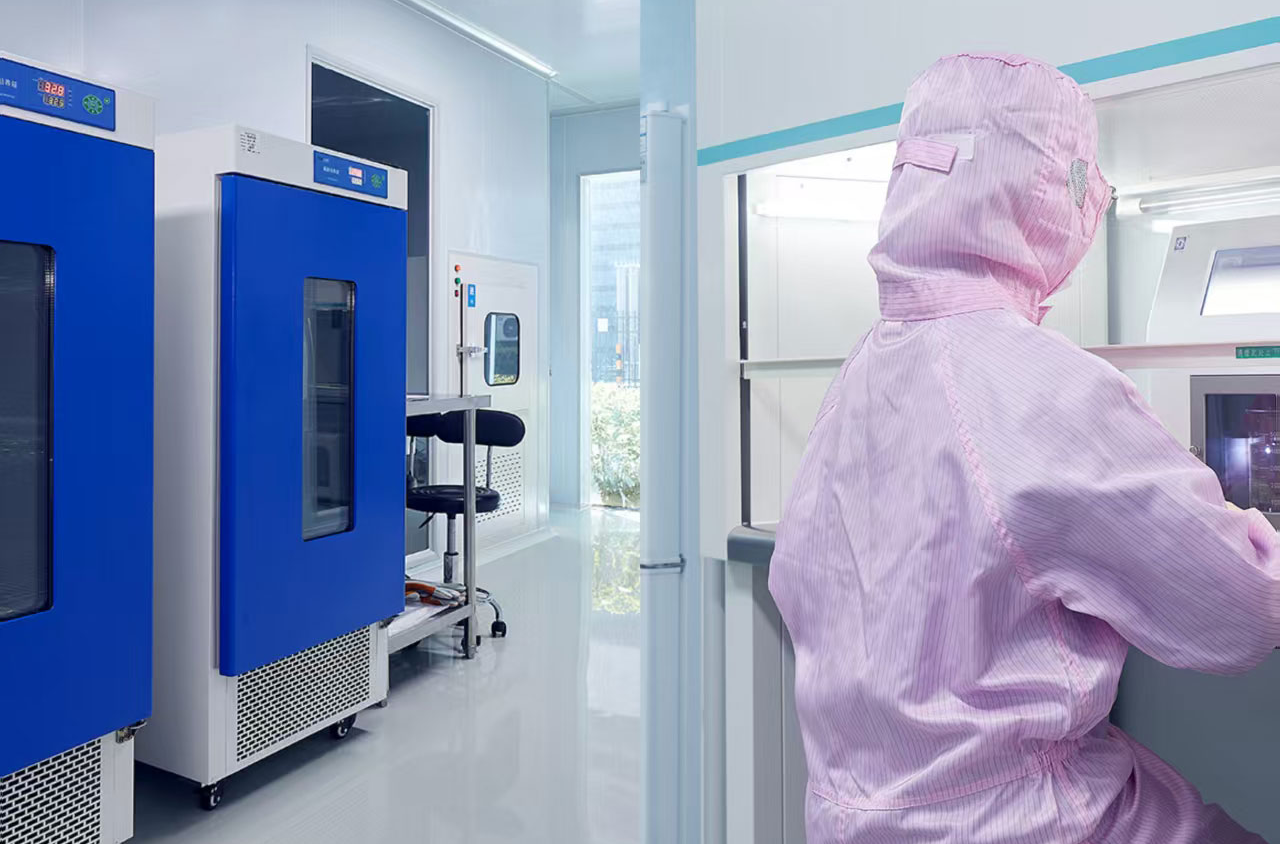
When planning bioburden testing medical devices, the sample condition, handling method, production stage, and result all need to remain identifiable. Our microbiology laboratory at Kingsin lists bioburden testing among its available capabilities.
One result should not be interpreted without context. If microbial counts change, teams may need to review raw materials, handling, cleaning, personnel practices, environmental conditions, or other process factors associated with the relevant manufacturing period.
Repeated bioburden test results become more useful when they are evaluated as a trend rather than as isolated measurements. A change across several production periods can indicate that a manufacturing condition deserves closer investigation even when individual results are reviewed separately.
Environmental monitoring provides another evidence source when teams need to compare product findings with conditions in the controlled manufacturing area.
Link Material and Functional Results to Reliability Questions
Reliability depends on whether the device performs consistently when normal material and manufacturing variation occurs. The first step is therefore to identify which characteristics actually influence the intended function.
Material evidence forms one part of this picture. Our physicochemical laboratory can evaluate properties such as density, viscosity, melting point, and hardness, and can support compatibility testing with solutions, drugs, or disinfectants where relevant to the project.
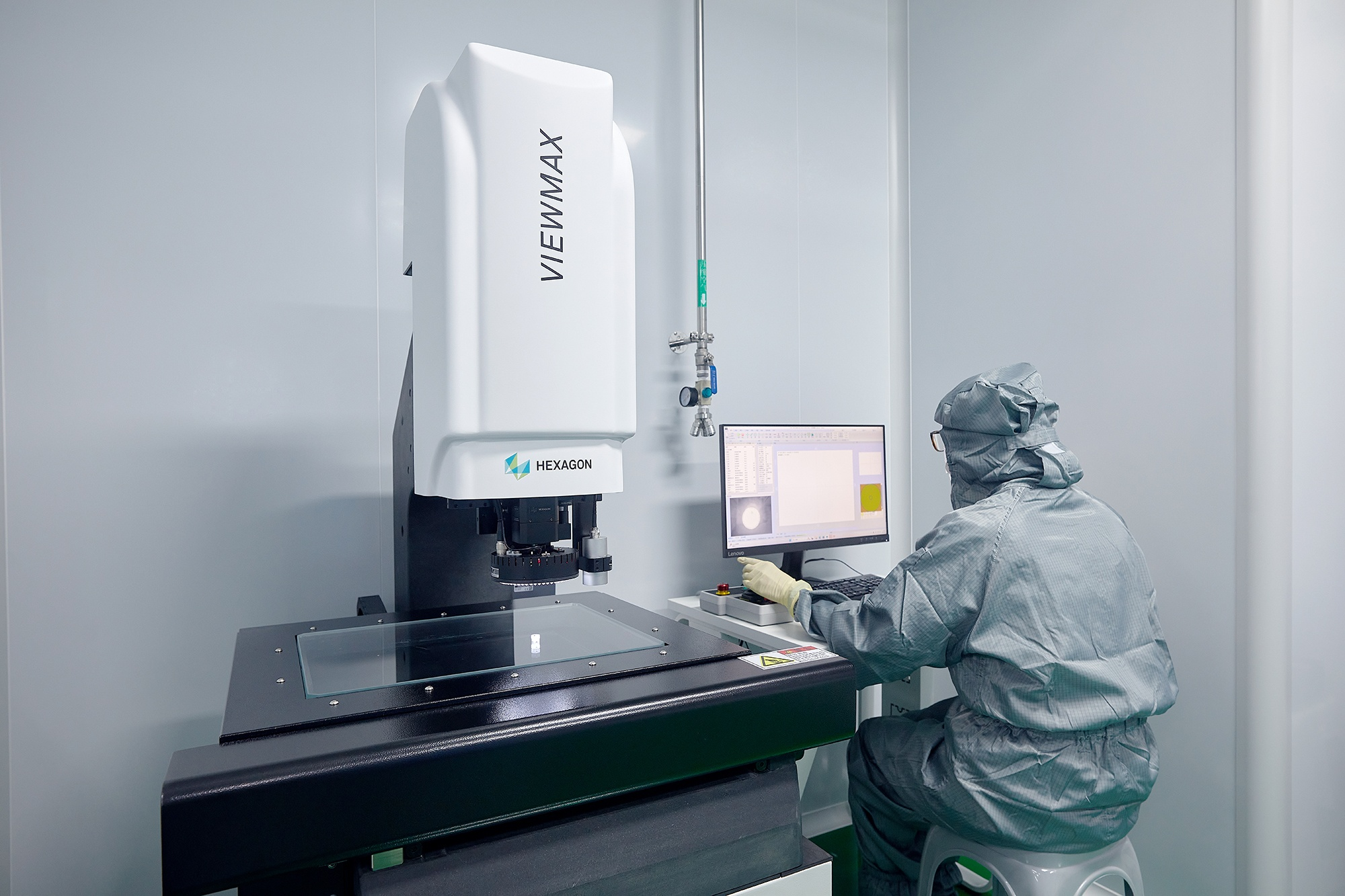
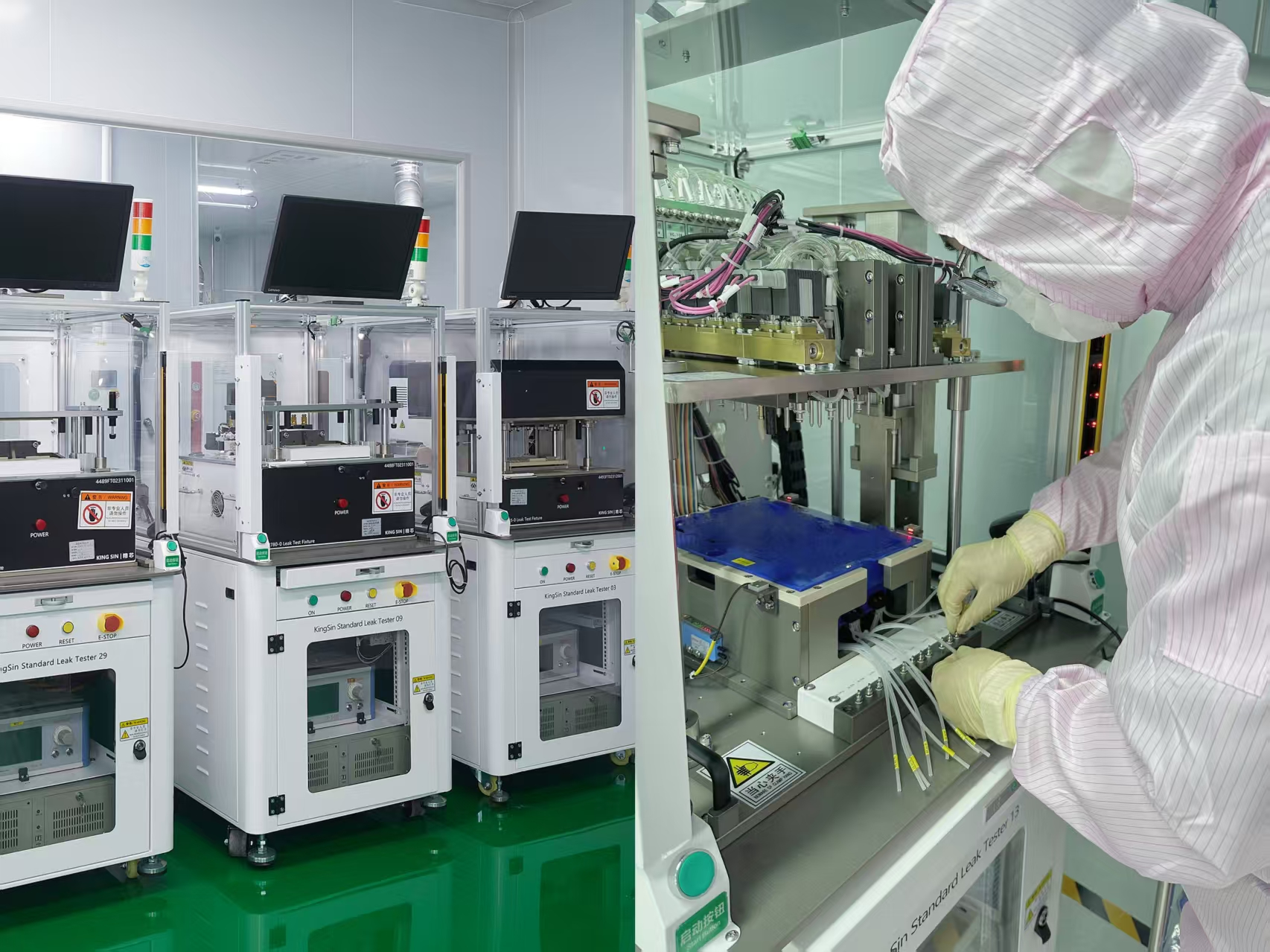
Functional inspection provides another layer. Depending on the product, quality checks may address dimensions, continuity, airtightness, flow, fit, or other defined responses. A recurring failure can then be examined alongside the material, dimensional, and process information associated with the same product version.
This is where medical device testing supports reliability more effectively than relying on final inspection alone. Results can show which area needs investigation instead of simply identifying a finished unit as acceptable or unacceptable.
Kingsin uses laboratory and manufacturing-quality information as separate evidence sources so a material result is not mistaken for functional proof and a dimensional result is not used to answer a microbiological question.
Use Trends and Traceability to Detect Problems Earlier
A pass-or-fail result explains what happened to one sample. Traceability gives that result context. Material lot, product revision, manufacturing batch, environmental records, and previous inspection information make it easier to determine what changed when two sets of results differ.
This becomes especially valuable when a problem appears intermittently. If one batch performs differently from another, the investigation can compare supplier materials, production conditions, handling, and inspection history before assuming the product design itself is responsible.
The same principle also applies to bioburden monitoring.. Linking microbiological results with relevant batch and environmental information can help teams investigate whether an unusual result coincides with a change elsewhere in the manufacturing process.
At Kingsin, quality records are designed to keep inspection information connected with materials and production history. This does not guarantee that variation will never occur. It gives teams a clearer path for determining where that variation may have entered the process and what evidence should be reviewed next.
Conclusion
Safety and reliability are better supported when dimensional, functional, material, microbiological, and environmental evidence answer separate technical questions. Medical device testing organizes these evidence layers, while bioburden testing medical devices addresses microbial contamination before sterilization.
At Kingsin, we keep laboratory findings connected with the relevant product, material, batch, and manufacturing records. This gives our teams and customers a clearer basis for investigating unusual results, identifying meaningful trends, and deciding which technical action should follow.


Copyright © 2025 Kingsin Technology Pte. Ltd. All rights reserved.
By: JOYMAGIC