
Release time: Oct 10,2026
Views: 6
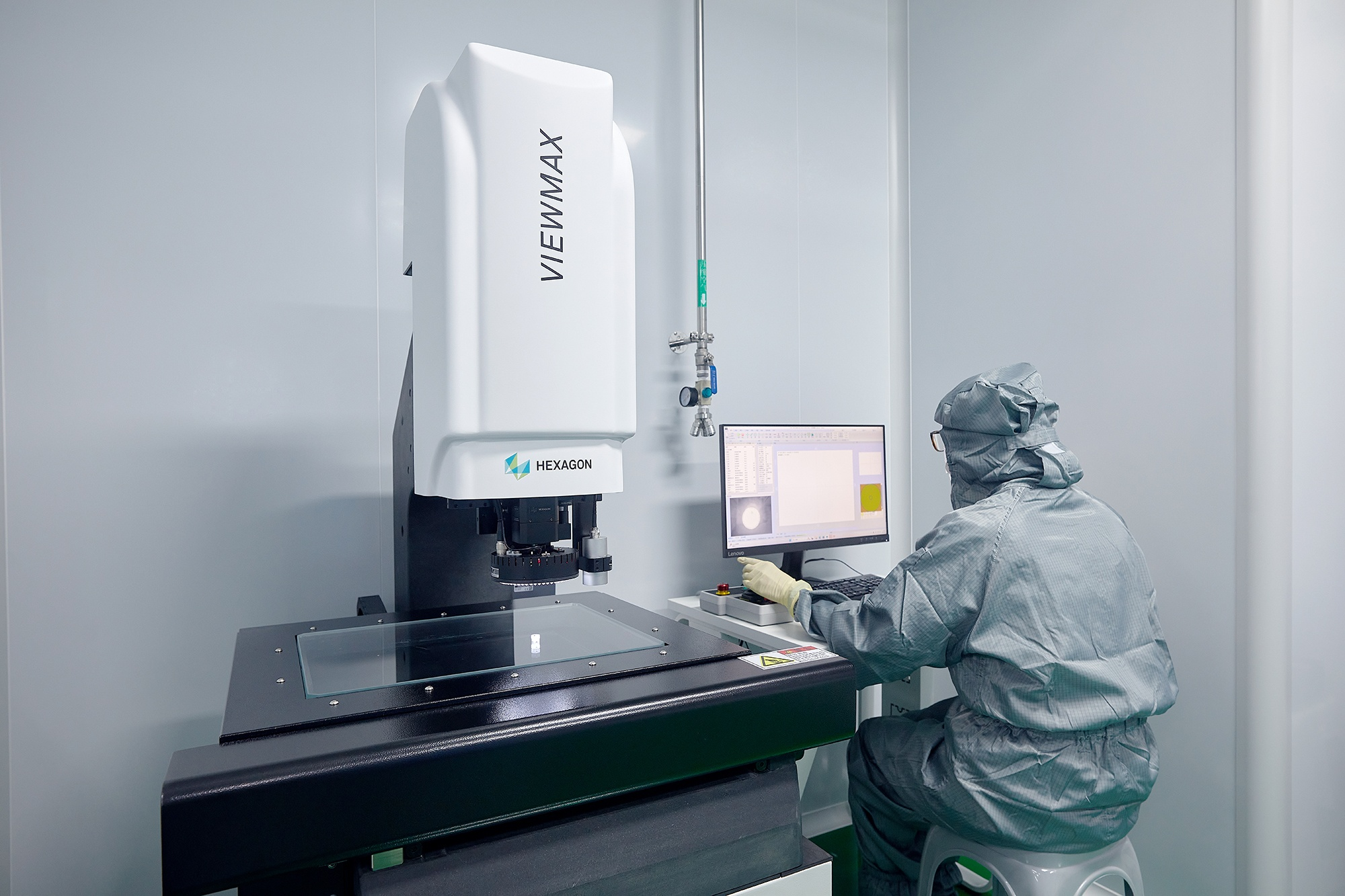
A functional prototype proves only that one build worked under one set of conditions. Before mass production, the more important question is whether the intended function can be checked repeatedly and whether production-representative units continue to meet the same acceptance criteria.
That is the role of medical device testing at the functional-readiness stage. The objective is not to repeat every development test. It is to define the functions that matter, verify them on representative builds, and make sure the manufacturing process has a practical way to detect failures.
Medical Device Testing Starts With Functional Acceptance Criteria
A functional test needs a clear pass condition. “Operates normally” is too vague for production because different inspectors may interpret it differently. The requirement should define what is measured, the test condition, and the acceptable result.
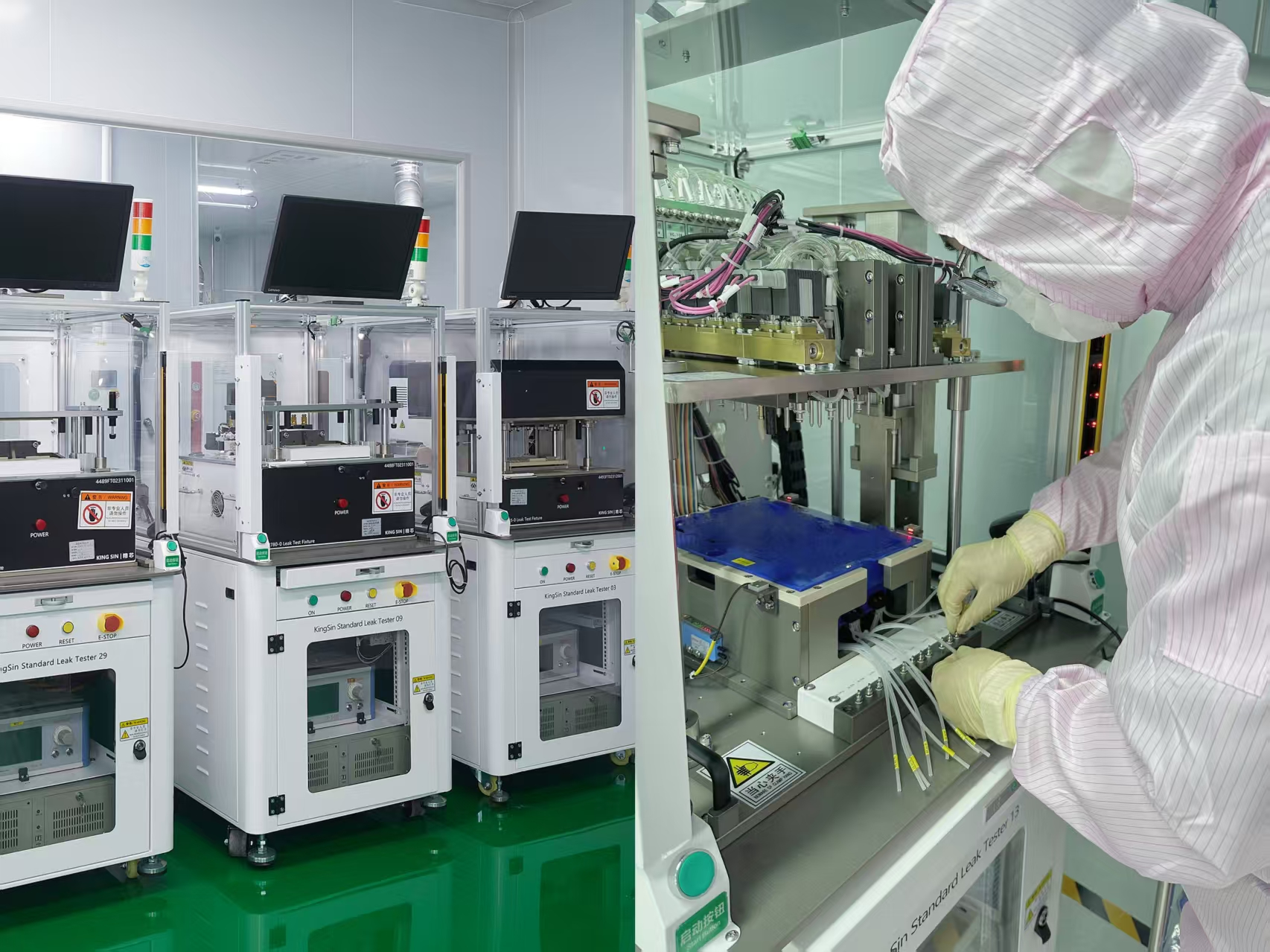
The most useful criteria usually come from the device's actual function. Depending on the product, that may involve airtightness, flow, electrical continuity, actuation, fit, or another measurable response. The exact method should follow the product design rather than a generic checklist.
Acceptance criteria also need to be usable on the factory floor. A test that requires unusual manual judgment may work during engineering but be difficult to repeat during routine production.
Fixtures, setup steps, timing, and operator instructions can affect repeatability as much as the measurement itself. Before scale-up, teams should confirm that the method is practical for the expected process and inspection frequency.
Medical device testing becomes easier to manage when the same requirement is visible in the drawing, work instruction, test method, and release record.
Use Representative Builds to Expose Process-Related Failures
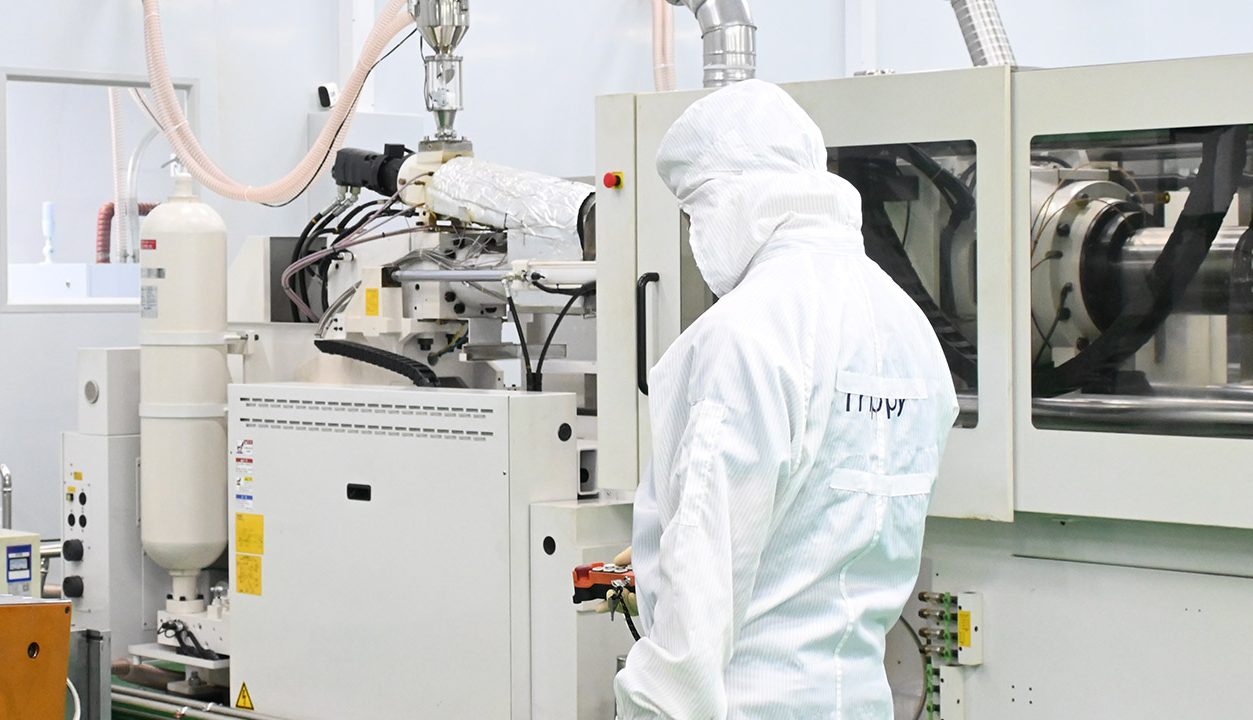
A hand-built prototype may hide production problems because an engineer can adjust, align, or rework the sample until it functions. Pilot and pre-production builds reduce that gap by using materials, tooling, assembly steps, and inspection methods that are closer to routine manufacturing.
The point is to see whether the function survives normal process variation. If several units fail in the same way, the team can compare dimensions, materials, fixtures, and assembly conditions before the issue spreads into a larger batch.
Repeated results also help distinguish a one-off assembly error from a process sensitivity. That difference matters because the corrective action may be operator training, fixture refinement, tolerance review, or a design change rather than a blanket rejection of the product concept.
Keep Functional Failures Separate From Microbial Risk
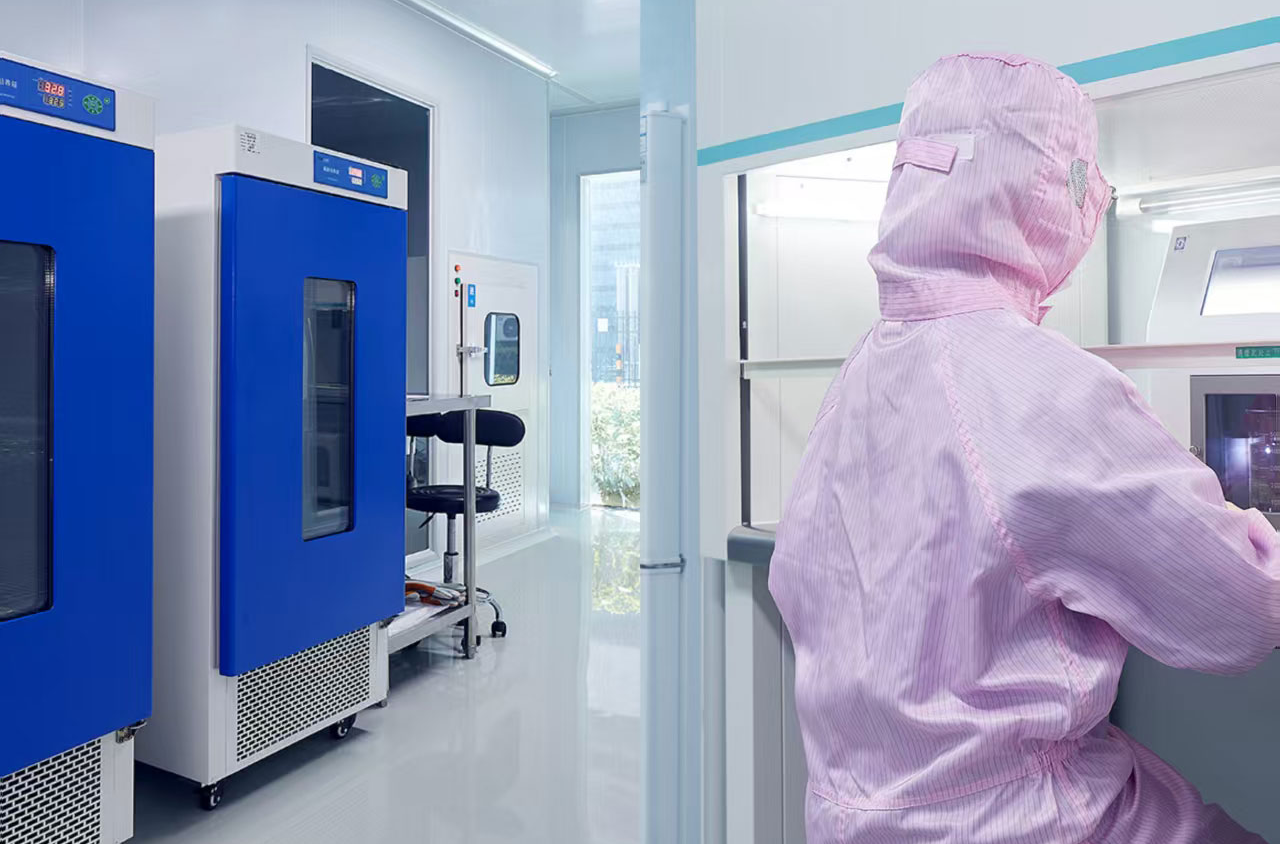
A microbial risk assessment looks at contamination-related concerns, while functional verification looks at whether the device performs as intended. Both may matter before production, but they require different evidence and different corrective actions.
For example, a leak failure may lead to a review of joining, dimensions, or assembly. A microbial finding may lead to investigation of handling, environment, materials, or cleaning controls. Treating them as separate risk paths makes the response more focused.
A microbial risk assessment is most useful when it identifies the points in the product or process where control matters and defines what evidence will be used to review those points. The outcome should influence the relevant manufacturing control rather than remain a separate document with no operational effect.
At Kingsin, functional quality checks and microbiological lab support are different parts of the same broader manufacturing system. Keeping those roles distinct prevents one type of evidence from being overused.
Convert Pre-Production Results Into Routine Controls
Before mass production begins, the team should decide which functional checks remain necessary during incoming inspection, in-process control, or final release. Not every development test belongs in routine manufacturing.
A useful transfer identifies the critical function, the approved test method, the sampling or inspection point, the acceptance criterion, and the record used to capture the result. This gives production teams a clear way to detect the same failure modes that were studied during pre-production.
Pre-production medical device testing is successful when it leaves behind a repeatable control, not just a passing report. If an issue appears later, the team can compare the new result with the approved baseline instead of recreating the method from memory.
Our Kingsin quality workflow includes first-article, in-process, functional, and outgoing checks where applicable. Those controls provide a practical path for carrying selected pre-production criteria into routine manufacturing.
Conclusion
Functional readiness for mass production depends on measurable acceptance criteria, representative builds, and test methods that can be repeated during manufacturing. A microbial risk assessment may provide separate evidence where contamination control matters, but it should remain distinct from functional verification.
At Kingsin, we assign engineering, laboratory, and quality resources according to the question that still needs evidence. This allows us to help customers transfer useful pre-production findings into practical routine controls without carrying unnecessary development tests into manufacturing.


Copyright © 2025 Kingsin Technology Pte. Ltd. All rights reserved.
By: JOYMAGIC