
Release time: Oct 10,2026
Views: 8
Development risk increases when an important assumption moves through several project stages without being tested. A material, interface, manufacturing condition, or functional requirement may appear reasonable during early design yet become expensive to change after tooling, sourcing, or production preparation has started.
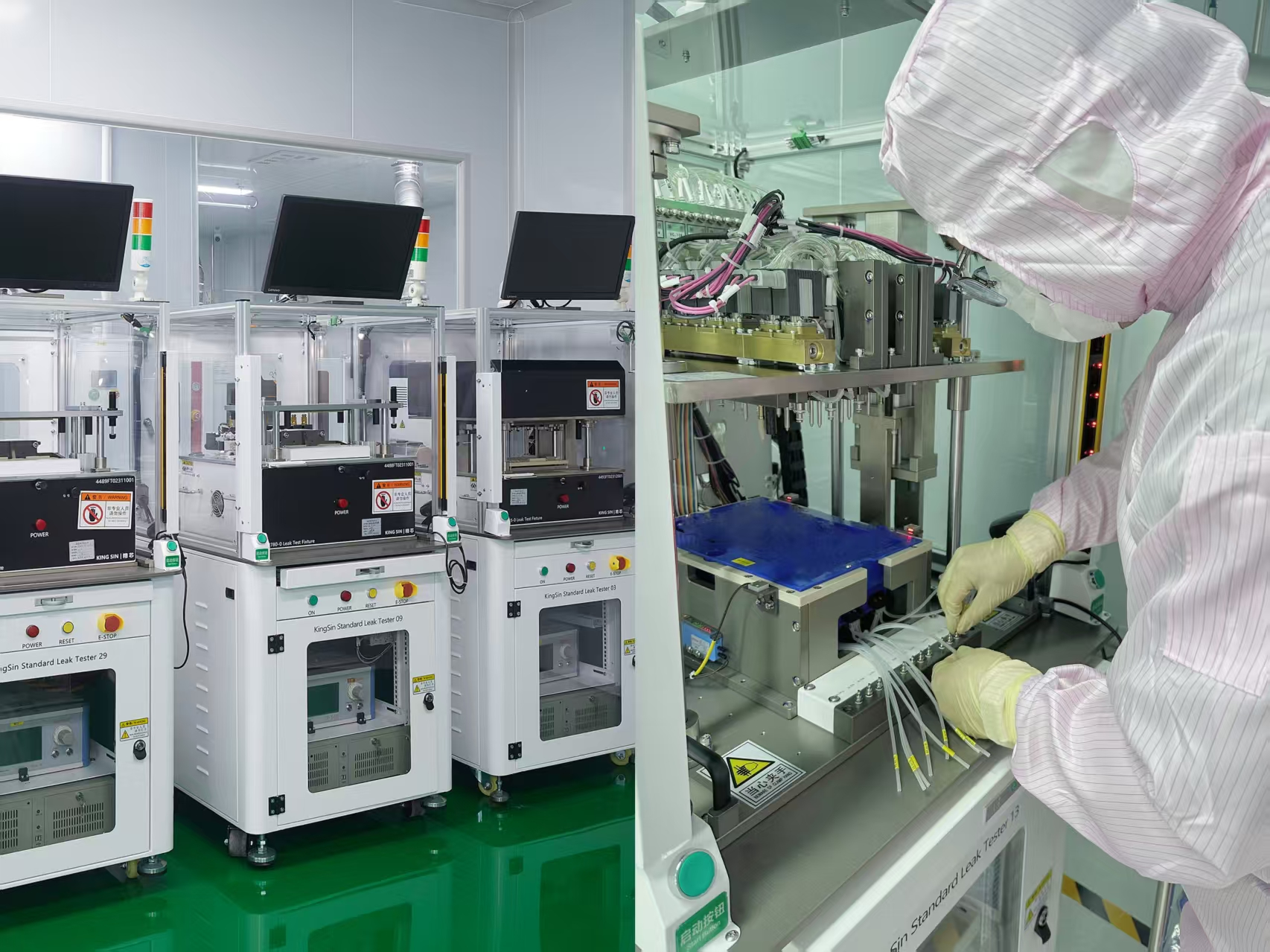
Targeted medical device testing reduces that exposure by giving important uncertainties an evidence plan. At Kingsin, the objective is not to test every possible characteristic early. Teams gain more value by identifying questions that could create substantial downstream rework and resolving them before dependent decisions become difficult to reverse.
Medical Device Testing Should Follow the Cost of Being Wrong
Not every open question deserves the same urgency. A minor cosmetic preference may remain flexible longer than a material decision that affects several components or a functional requirement that determines the product architecture.
A practical risk review asks what would happen if an assumption failed later. Would the team need to revise drawings, replace a material, modify tooling, repeat an assembly study, reconsider a supplier, or change a manufacturing control? The greater the downstream effect, the stronger the case for collecting evidence earlier.
This gives medical device testing a clear priority. Rather than generating reports because a method is available, teams can schedule evidence around decisions that would otherwise lock the project into a costly direction.
A simple risk register can support this process by linking each important assumption with its possible downstream effect, required evidence, owner, and decision point. That keeps known uncertainties visible without giving every open item the same priority.
Match the Evidence to the Uncertainty
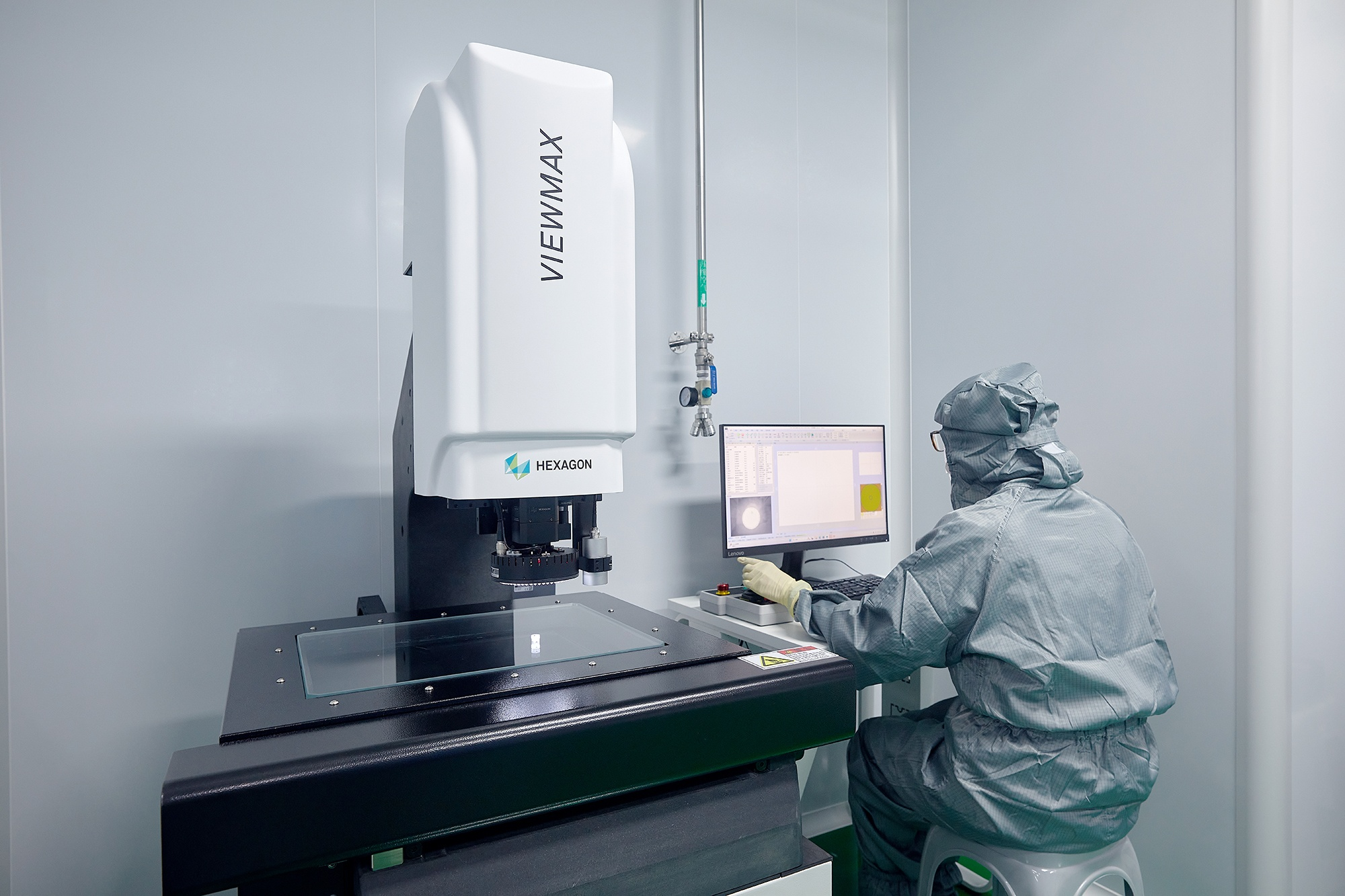
Different risks require different evidence. A dimensional concern may need measurements from representative samples. Material uncertainty may require physicochemical or compatibility work. Microbiological questions may need bioburden or environmental information. Functional concerns require a method that reproduces the relevant operating condition.
For medical & lab equipment devices medical & lab equipment devices, this distinction matters because products grouped under a broad category can have very different materials, mechanisms, interfaces, and production processes.
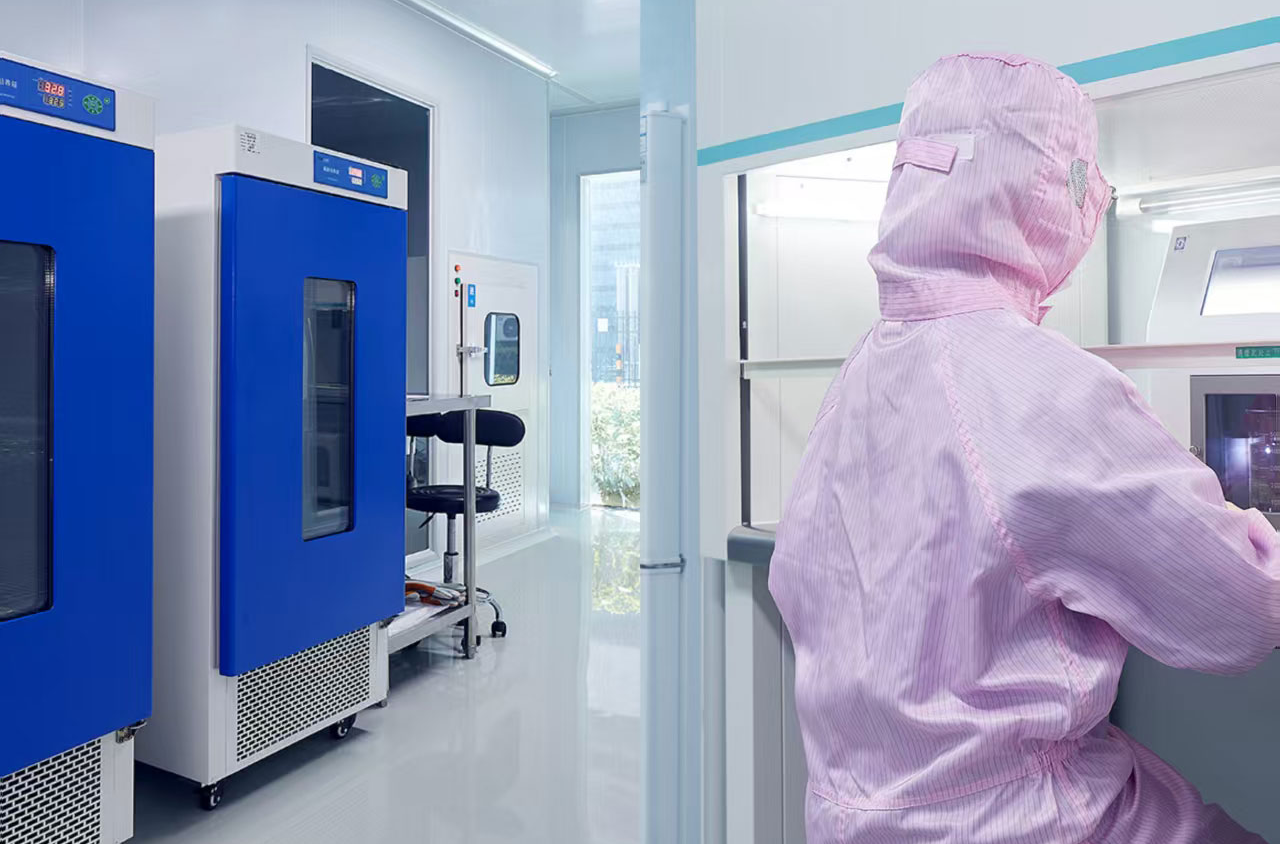
When projects involving medical & lab equipment devices medical & lab equipment devices require laboratory evidence, the method should still follow the actual technical question. Our Lab Support capabilities include bioburden testing, environmental monitoring, purified-water testing, physicochemical analysis, and material compatibility testing.
A standard package should not be assumed to fit every medical & lab equipment devices medical & lab equipment devices project. A product with a significant material-contact question may need different evidence from one whose main uncertainty lies in a mechanical interface or manufacturing step.
The test plan therefore starts with the risk rather than the available laboratory menu.
Use Results to Reduce the Number of Open Decisions
Testing reduces risk when a result makes the next decision clearer. A compatibility result may support retaining a selected material. A dimensional failure may narrow an issue to geometry or process variation. A microbial trend may direct attention toward handling or environmental controls.
The result does not need to prove that the entire product is ready. It needs to close or narrow one important uncertainty.
Negative results can be especially valuable because they stop the project from building more work on top of a weak assumption. Discovering a problem before tooling or production preparation generally leaves more options for correction.
That is particularly relevant to medical & lab equipment devices medical & lab equipment devices, where material, mechanical, electrical, or biomedical questions may develop in parallel. Teams can prioritize the uncertainties with the greatest downstream effect while lower-risk work continues.
At Kingsin, relevant laboratory findings can be reviewed alongside engineering, quality, and manufacturing information when several functions need to reach the same technical decision. This keeps testing focused on evidence that changes the project rather than on adding more reports.
Preserve Medical Device Testing Evidence When the Product Changes
A valid result can lose value when it becomes separated from the product version it originally supported. If the material, supplier, geometry, interface, or process changes, teams need to determine whether previous evidence still applies.
A useful development record identifies the tested configuration, method, result, and decision that followed. When a later revision occurs, the team can compare the changed characteristic with that baseline instead of automatically repeating every earlier test.
This turns medical device testing into part of change control. The useful question after a change is not simply whether testing must restart, but which earlier conclusions remain technically applicable and which assumptions have become open again.
For complex medical and laboratory equipment, that approach limits unnecessary repetition while reducing the risk of relying on evidence from an outdated configuration.
Conclusion
Development risk falls when testing is timed according to the cost of being wrong, matched to the specific uncertainty, and preserved with the product version it supports. Medical & lab equipment devices medical & lab equipment devices may require material, microbial, dimensional, or functional evidence at different stages rather than one standard test package.
At Kingsin, we use available laboratory evidence to help close high-impact technical questions before they grow into larger sourcing, tooling, or manufacturing problems. This allows us to keep testing focused on decisions that genuinely affect project progress.


Copyright © 2025 Kingsin Technology Pte. Ltd. All rights reserved.
By: JOYMAGIC