
Release time: Oct 10,2026
Views: 8
Catheter and tubing performance depends on more than producing a tube at the requested diameter. The finished component may also need stable wall geometry, a clear flow path, suitable material behavior, reliable joints, and measurable leak performance. Testing becomes useful when those requirements are separated and checked with methods that match the failure mode.
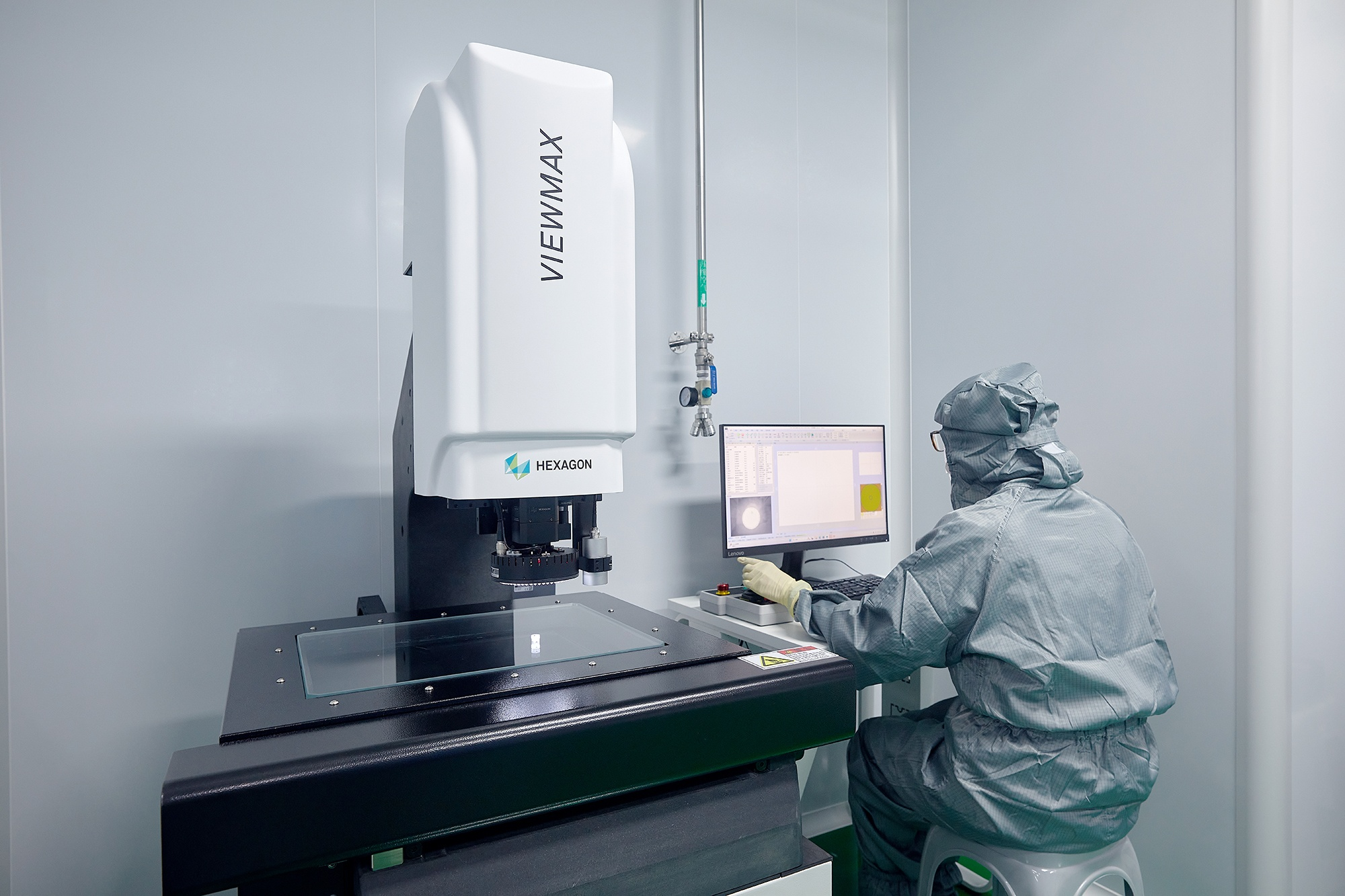
For tubing programs, medical device testing should focus on performance evidence rather than repeat the design discussion. Our manufacturing resources include medical-grade extrusion, joining, cleanroom assembly, laboratory support, and quality inspection, giving tubing projects several points where performance can be measured.
Medical Device Testing Should Define the Tubing Failure Modes First
A test plan is clearer when the team starts by asking how the tubing could fail. A tube may be out of dimension, partially blocked, unable to hold pressure, affected by contact with a substance or damaged at a joined interface.
Those failure modes point to different checks. Dimensional measurement cannot replace a leak test, and a compatibility result cannot prove that a lumen is unobstructed. Separating the questions prevents one passing result from being used as evidence for an unrelated requirement.
A tubing performance plan may therefore cover:
· inner and outer dimensions where they control function;
· wall geometry or fit at connection points;
· airtightness or leak behavior;
· flow-path condition where relevant;
· material response under defined contact conditions.
Sampling also needs a clear purpose. Early builds may use more detailed checks to understand variation, while routine production can use a defined control plan once the process and failure modes are better understood.
Use Dimensional Data to Control Extrusion Variation
Extrusion creates a continuous product, so dimensional control needs to consider process consistency rather than only one cut sample. Changes in setup, material behavior, cooling, or handling can affect the finished tube.
Our Production Capabilities information at Kingsin states that the medical-grade extrusion equipment supports diameters down to 0.22 mm with a stated tolerance of ±0.01 mm and uses 316L stainless-steel contact surfaces. These figures describe equipment capability and should not be presented as a guaranteed specification for every catheter or material.
For an actual tubing program, engineering and quality teams still need to define the required diameter, tolerance, sampling point, and measurement method for that product.
Medical lab services may complement this work when a material or water question exists, but dimensional extrusion control remains a manufacturing-quality task rather than a laboratory substitute.
Separate Leak, Flow, and Material Questions
A tubing assembly can meet its dimensions and still fail at a joint or under pressure. Leak testing therefore needs a defined fixture, pressure condition, acceptance limit, and connection setup that represent the product being assessed.
Method repeatability matters here. Fixture sealing, sample length, connection preparation, stabilization time, and equipment settings can all influence the observed result. Recording those conditions makes it easier to compare prototype and production data.
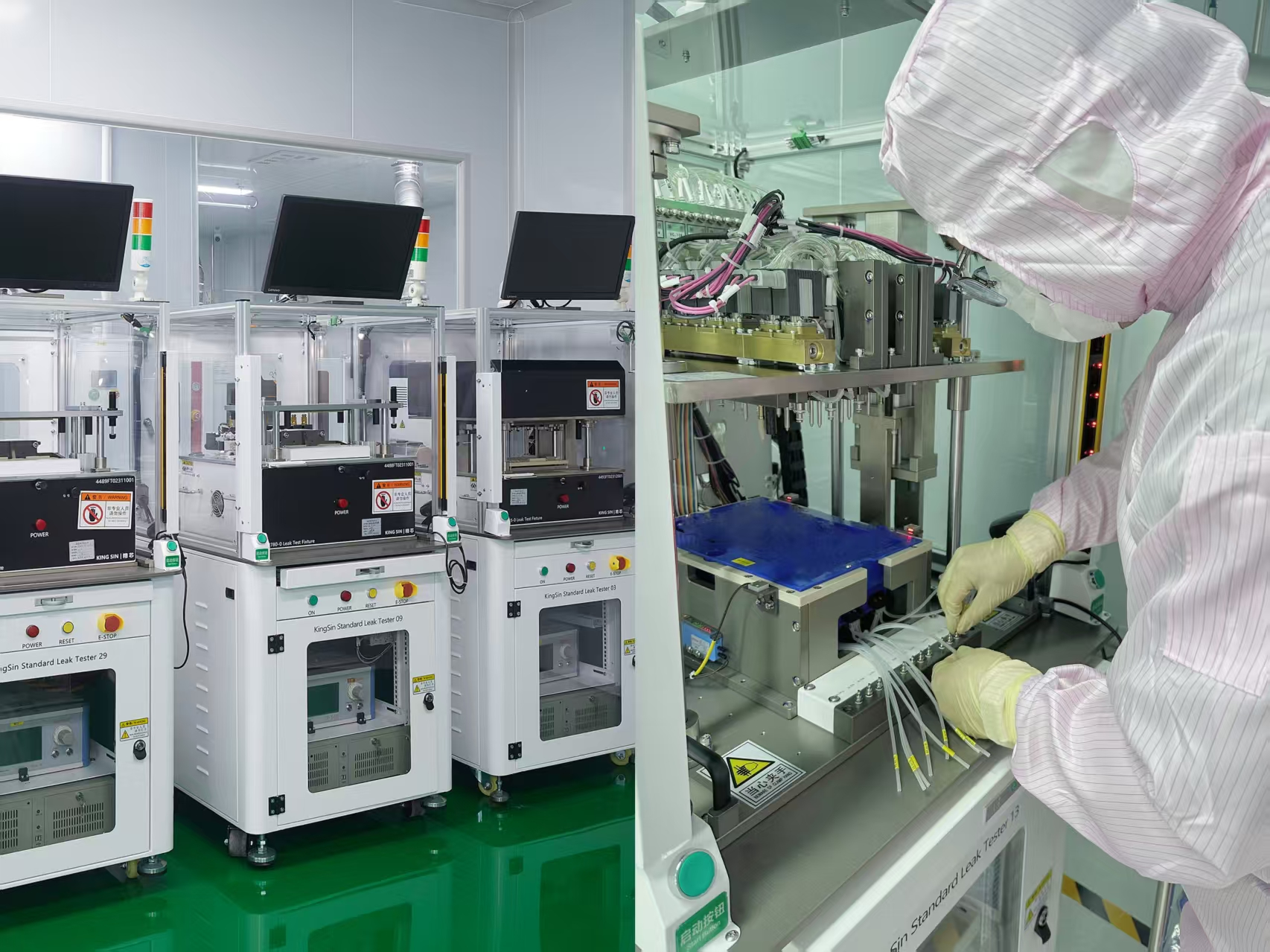
We also offer an air leak tester with Direct Pressure Drop testing and traceable result storage, but equipment capability should not be confused with a universal catheter test method. The fixture and acceptance criteria still need to be designed around the device.
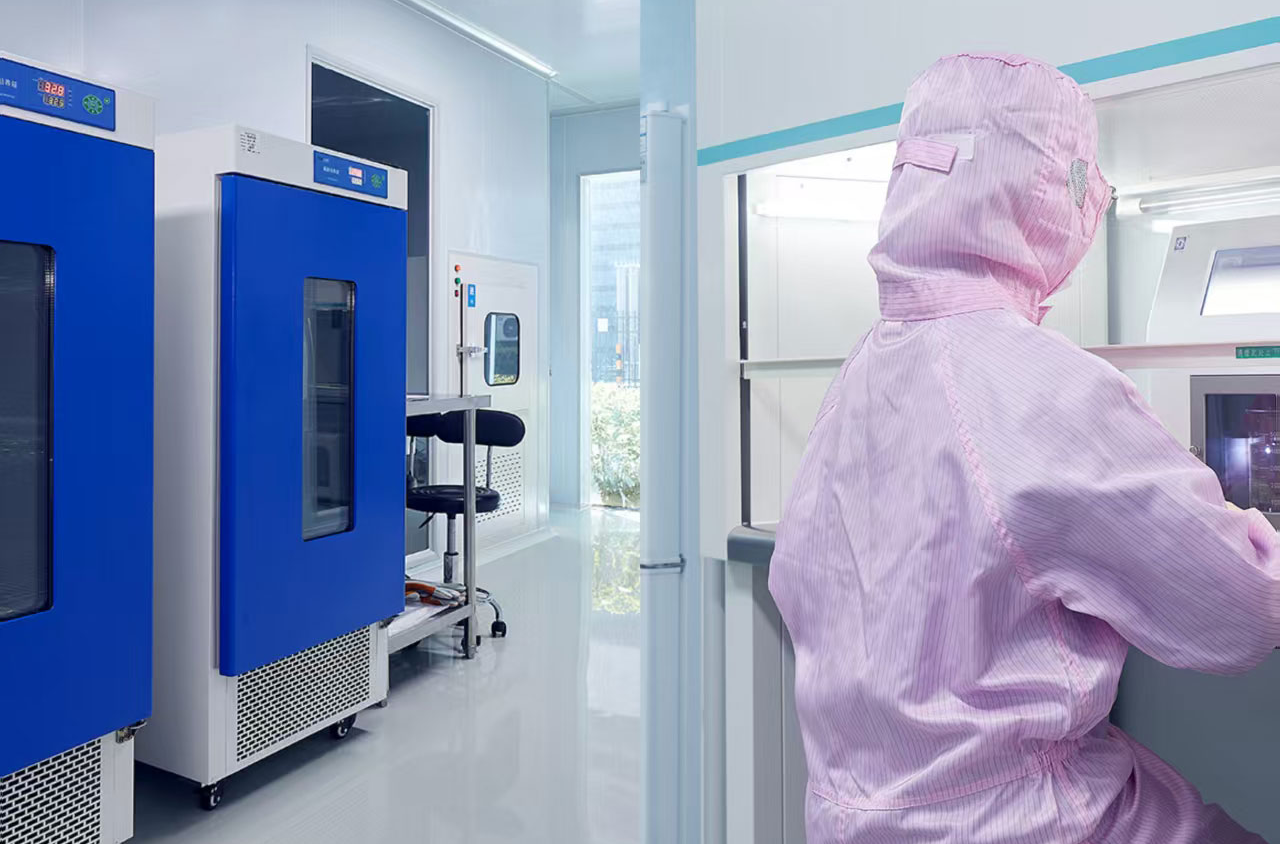
Material evidence addresses another question. When tubing contacts solutions, drugs, or disinfectants, medical lab services such as material compatibility testing may help assess whether the material changes under the relevant condition.
Medical lab services are useful here because some performance risks cannot be seen through dimensional inspection alone. The result should still be interpreted against the tubing's functional requirement.
Make Medical Device Testing Records Useful Across Production Lots
Tubing performance work becomes more valuable when teams can compare results across builds. The test record should identify the product revision, material lot, extrusion or assembly batch, method, fixture, and acceptance criterion.
That information helps separate a design issue from a process issue. If only one batch shows a leak problem, the investigation can compare joining, materials, and production conditions. If the same failure appears across several builds, the design or test requirement may deserve closer review.
Laboratory results can also be tied to this traceability when a material or microbiological result needs to be compared with a particular production lot.
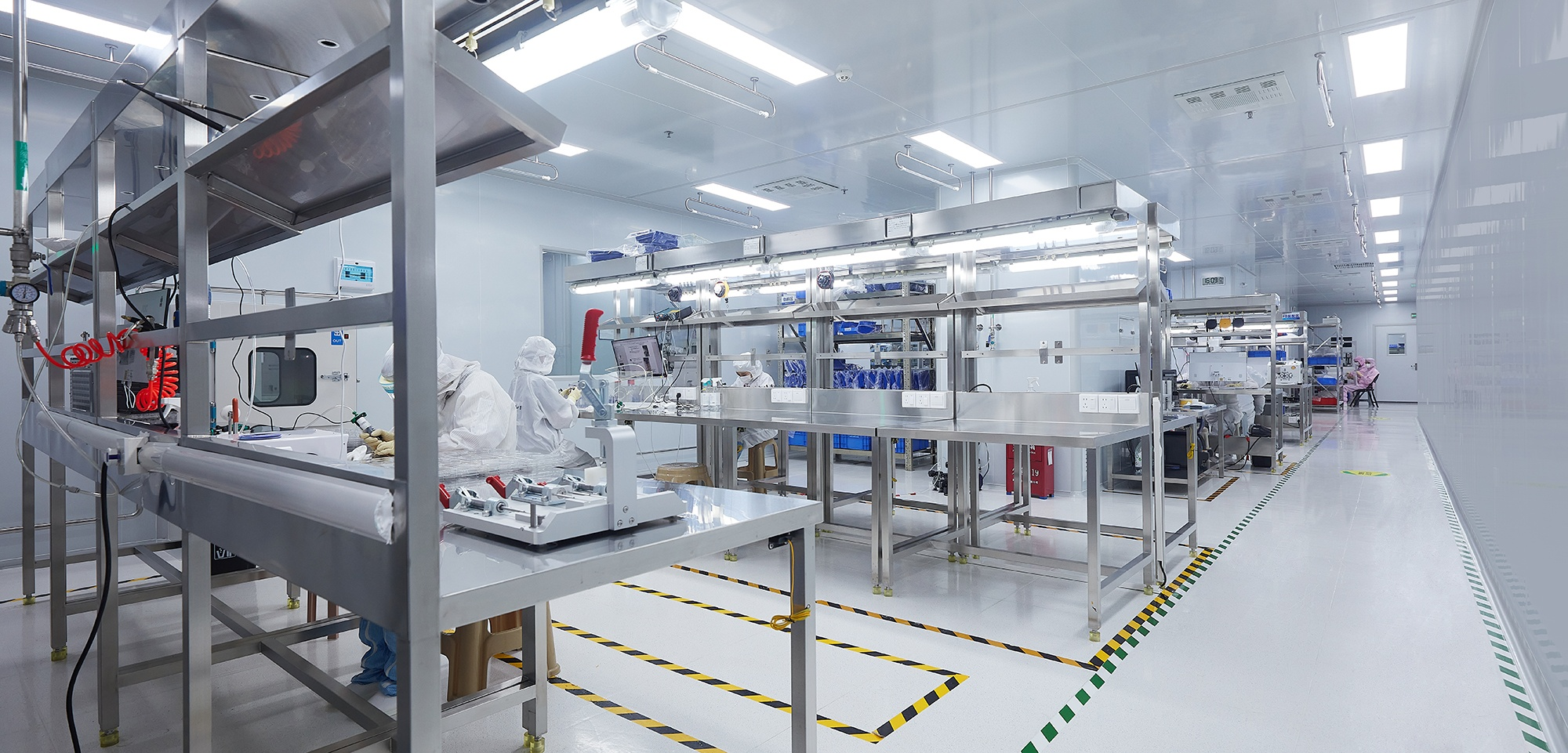
At Kingsin, we use extrusion data, quality inspection, leak-testing resources, medical lab services, and cleanroom assembly as separate evidence sources within the same tubing project. Keeping those records distinct but connected is more useful than presenting every capability as part of one generic testing step.
Conclusion
Catheter and tubing performance should be evaluated through separate dimensional, leak or flow, material, and process questions. Medical device testing is strongest when each method targets a known failure mode and the result remains tied to the relevant product and production lot.
At Kingsin, we combine extrusion and manufacturing-quality information with medical lab services only where additional material or microbiological evidence is needed. This helps us keep tubing verification focused on measurable performance while maintaining clear links between test results and production history.


Copyright © 2025 Kingsin Technology Pte. Ltd. All rights reserved.
By: JOYMAGIC