
Release time: Oct 10,2026
Views: 7
The decision to start mass production should be based on more than a successful prototype. By that point, the product definition, suppliers, tooling, assembly steps, inspection methods, and release records all need enough stability to support repeatable manufacturing. The main question is whether the evidence is complete enough to justify that commitment.
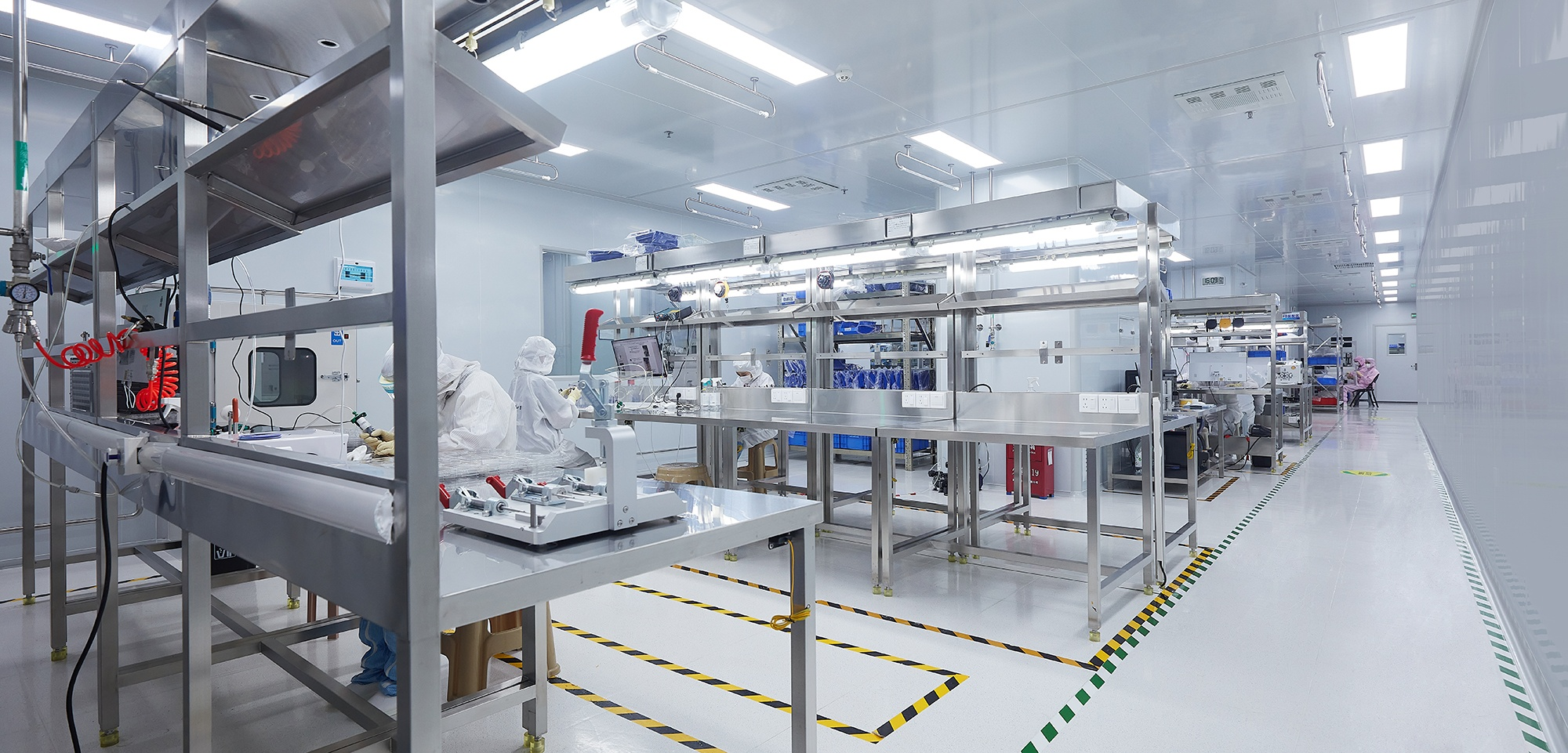
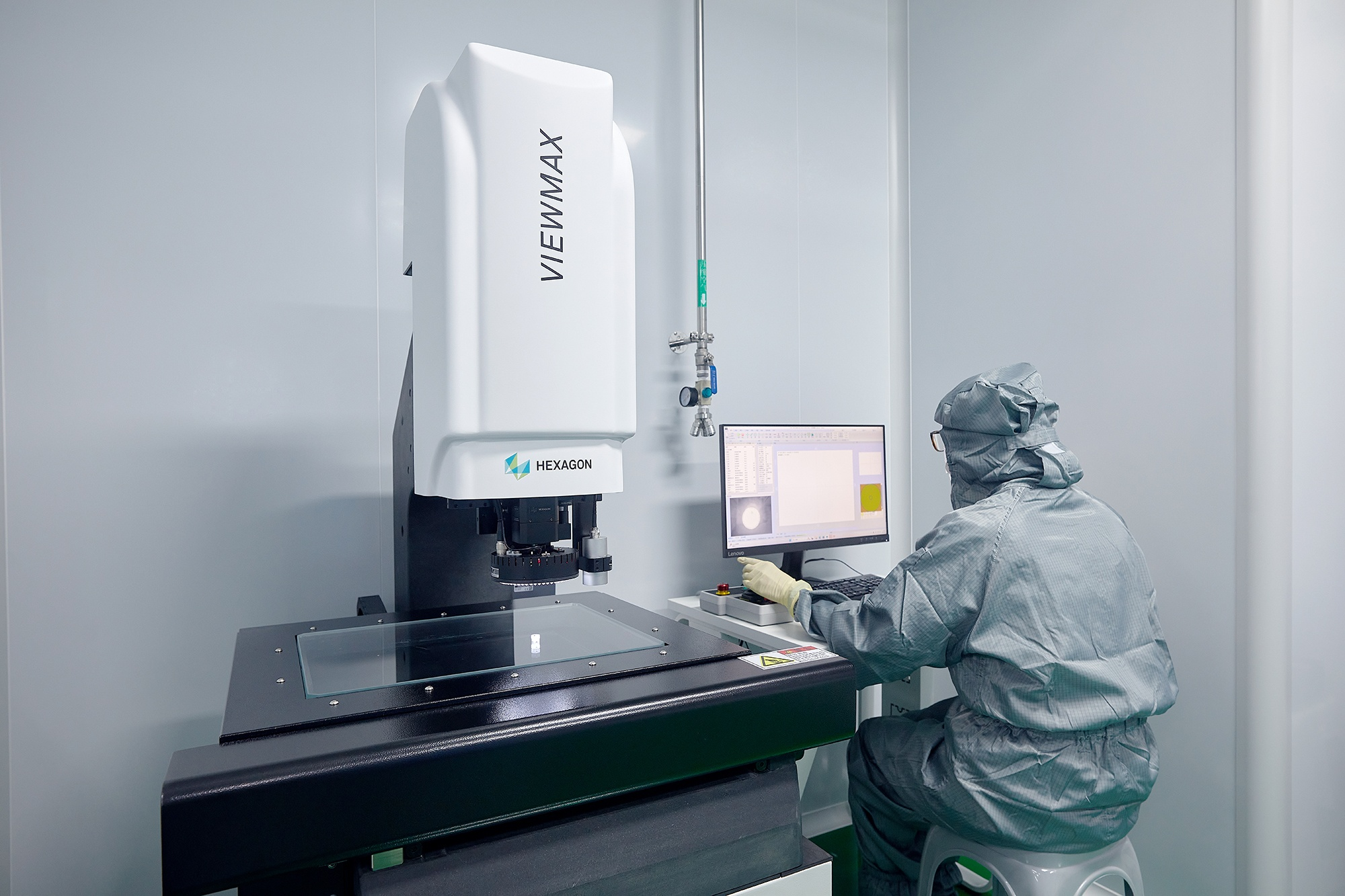
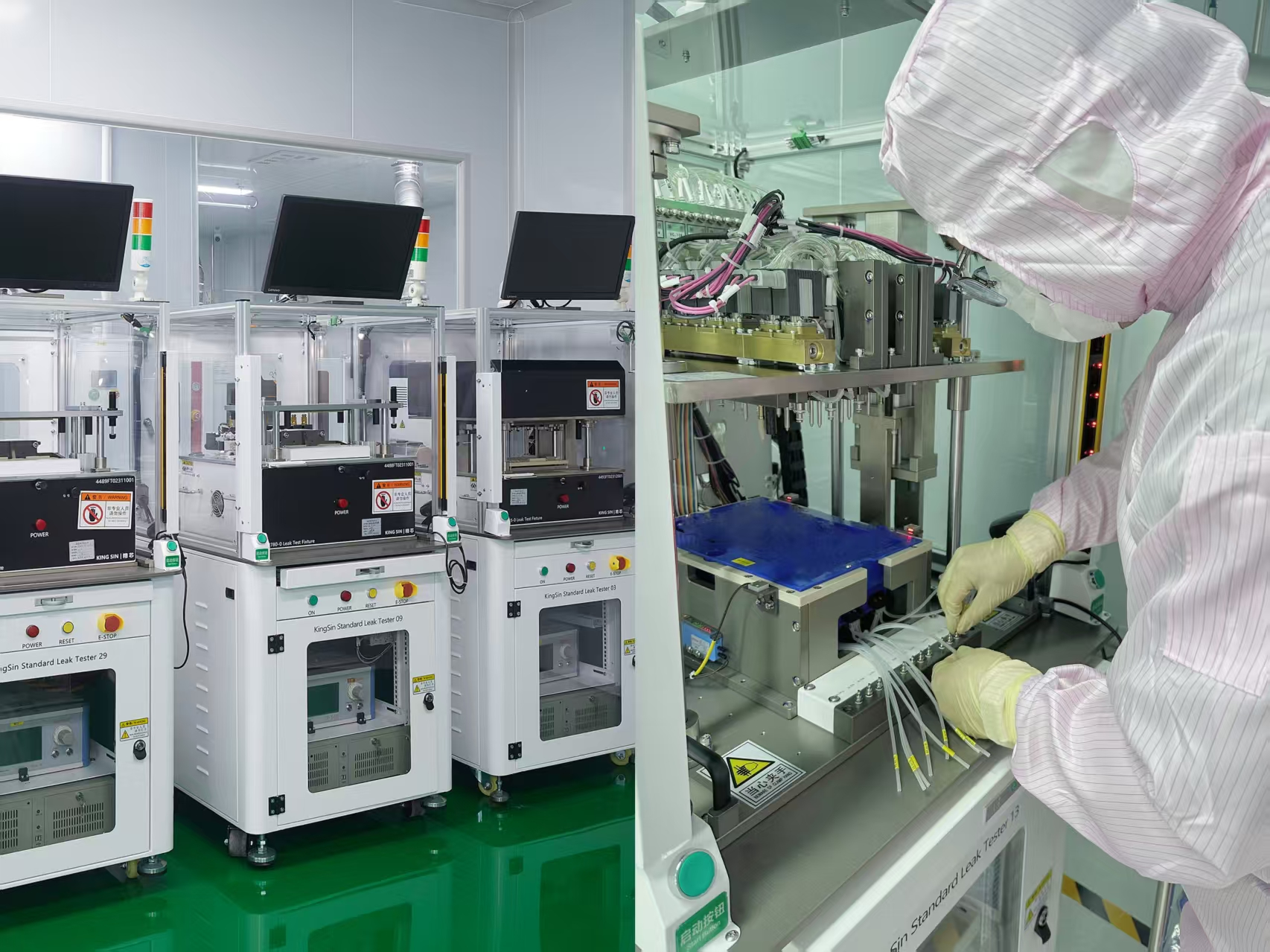
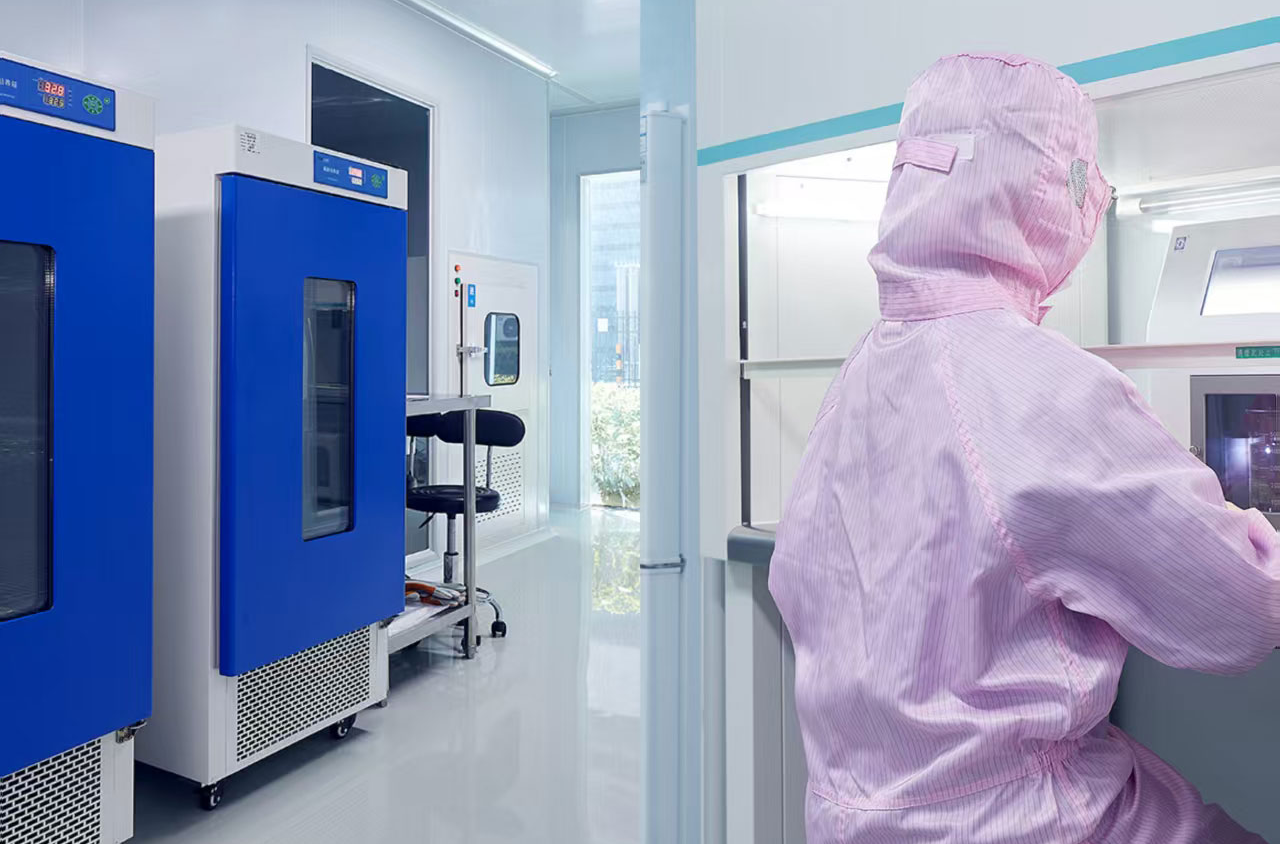
Pre-production medical device testing provides part of that evidence. At Kingsin, laboratory work can support microbiological, water, material-property, and compatibility questions, while manufacturing quality checks provide dimensional and functional information.
Medical Device Testing Should Feed a Production-Release Gate
A production-release gate asks whether important open questions have been closed or formally controlled. It is not simply a meeting where the team confirms that samples passed.
Before release, teams should be able to show:
· which product revision is approved;
· which materials and components belong to that configuration;
· which functions and dimensions have acceptance criteria;
· which manufacturing checks are ready for routine use;
· which unresolved items still require action before scale-up.
This makes the decision traceable. If production is approved, later teams can see what evidence supported the release. If the project is held, the missing evidence is clear enough to assign and close.
The review should also distinguish between evidence that is missing and evidence that is outdated. A test from an earlier revision may be technically valid but no longer applicable after a material, interface, or process change.
A useful gate also defines who can close each open item and what evidence is needed. Without that discipline, a project may carry unresolved actions into scale-up simply because ownership was unclear.
Confirm Material Assumptions Before They Become Production Constraints
Materials may be selected early, but their behavior still needs to be considered under the conditions relevant to the device. Contact with solutions, drugs, disinfectants, or process chemicals can reveal changes that are not obvious from a supplier datasheet.
Material compatibility testing helps examine those interactions. A result becomes meaningful when the team connects it to an engineering question such as sealing, dimensions, flexibility, appearance, or another required characteristic.
The material compatibility testing available through our physicochemical laboratory at Kingsin evaluates interactions that may contribute to degradation or leaching. It should be used where the product and exposure conditions make that evidence relevant.
Material compatibility testing is not a universal release requirement for every device. The production gate should include it only when material interaction is part of the actual product risk or manufacturing plan.
Teams should also check whether a material result still applies after a supplier, formulation, or processing change. A previous passing result may not support the revised configuration if the characteristic being evaluated has changed.
Use Pilot Builds to Check Whether the Process Matches the Approved Design
A pilot build moves the project closer to routine manufacturing. It can reveal issues that were hidden in earlier hand-built samples, such as fixture dependence, assembly variation, process sensitivity, or inspection difficulty.
The value of the pilot is not the quantity produced. It is the opportunity to compare process output with the approved product definition before larger production starts.
First-article and in-process checks can show whether key dimensions and functions remain stable. If material compatibility testing has already supported a selected material, the pilot asks a different question: can the chosen process reproduce the approved design with that material?
Problems found here should be classified by source. A design issue, supplier issue, tooling issue, assembly issue, and test-method issue do not require the same corrective action.
Pilot builds also help confirm whether inspection methods are practical at production pace. A method that works for a handful of engineering samples may be too slow, too subjective, or too dependent on specialist judgment for routine manufacturing.
Make the Medical Device Testing Release Record Useful After Launch
The pre-production review should leave behind a usable manufacturing baseline. That baseline includes the approved revision, BOM, inspection criteria, relevant test evidence, and any conditions that trigger re-evaluation.
This matters after launch because change is normal. A supplier may change, a material may be substituted, a process may be adjusted, or a customer may request a design update. The release record helps the team decide which previous evidence still applies and what needs to be checked again.
Medical device testing supports this process when results remain tied to the correct product version and manufacturing history. It is less useful when reports are stored without a clear connection to the released configuration.
A strong release record also preserves the reason behind major decisions. Later teams should be able to see not only that a material or process was approved, but which evidence supported that approval and what conditions were assumed.
Within Kingsin, we can add laboratory and quality evidence to this production-readiness record while engineering and manufacturing teams maintain the product and process definition.
Conclusion
Mass production should begin when the approved design, material evidence, pilot-build results, and routine inspection plan support the same manufacturing baseline. Material compatibility testing can answer a specific material question, while other checks address function, dimensions, or process stability.
At Kingsin, we review engineering, laboratory, quality, and manufacturing information together before a project moves into scale-up. This helps us identify unresolved issues early while preserving a clear reference for later production changes and re-evaluation.


Copyright © 2025 Kingsin Technology Pte. Ltd. All rights reserved.
By: JOYMAGIC