
Release time: Oct 10,2026
Views: 5
OEM manufacturing depends on repeatability. Once a design enters production, the factory has to show that incoming materials, in-process output, and finished devices continue to match the approved requirements. That makes testing part of process control rather than a one-time activity at the end of development.
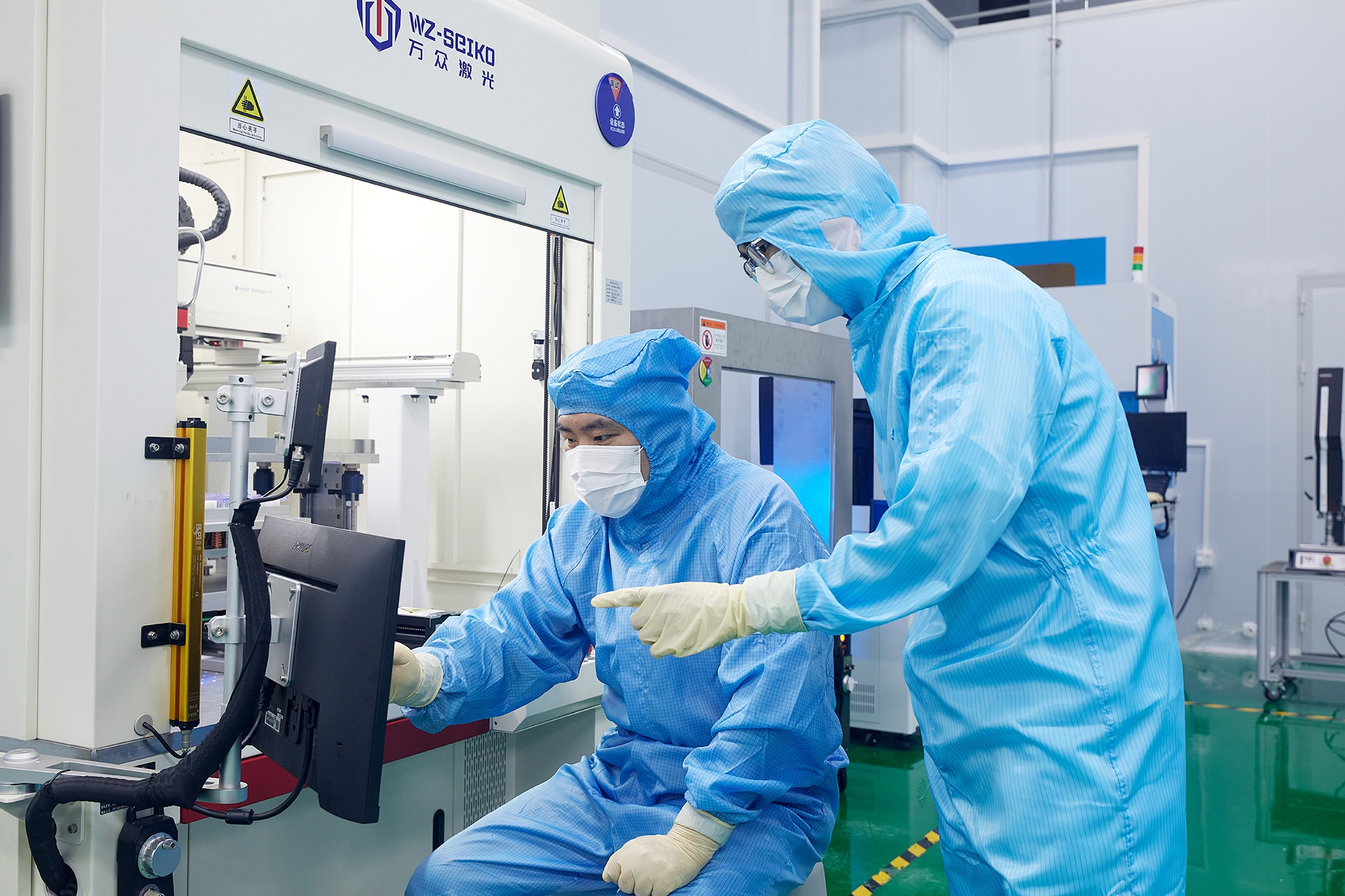
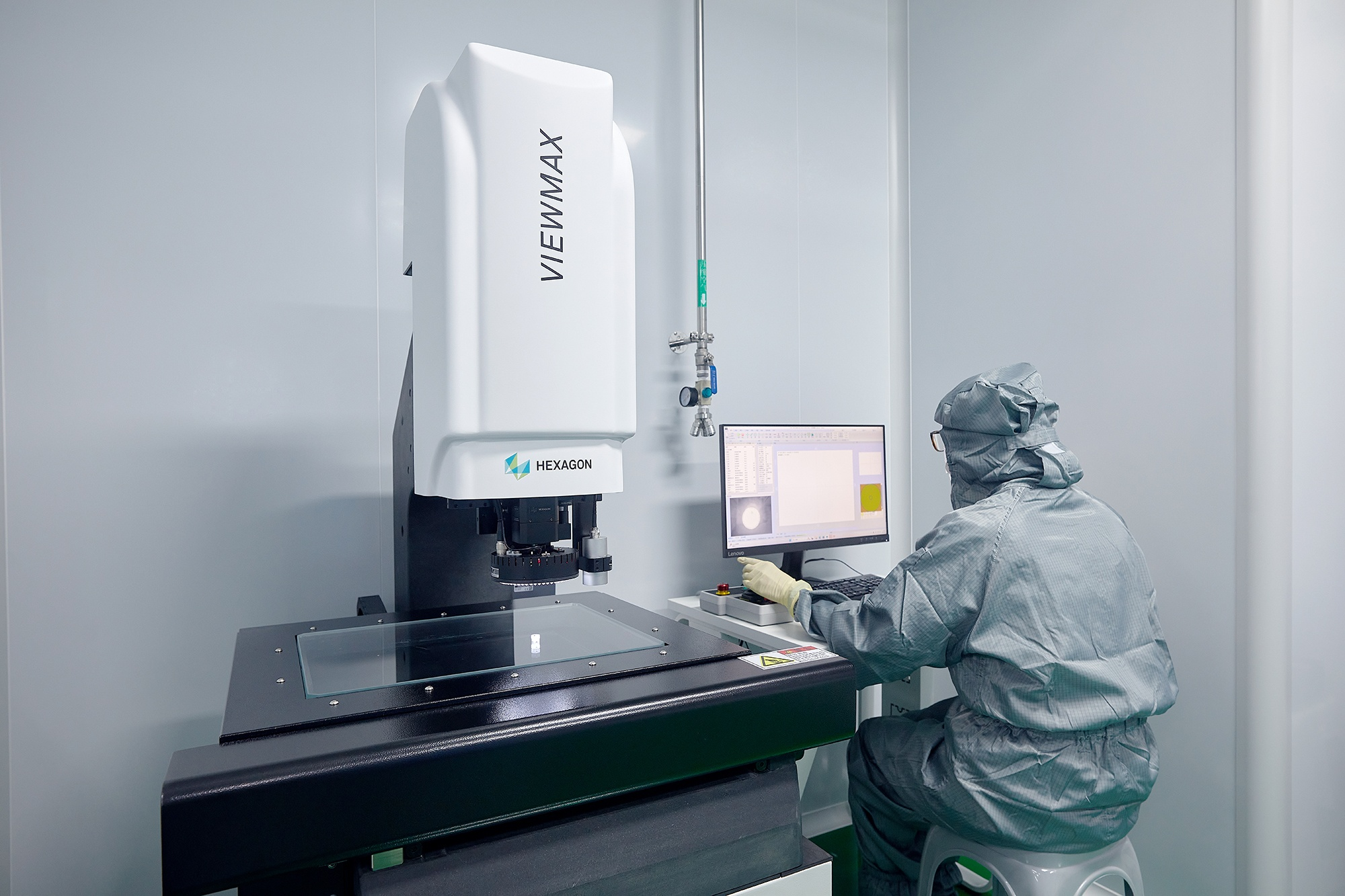
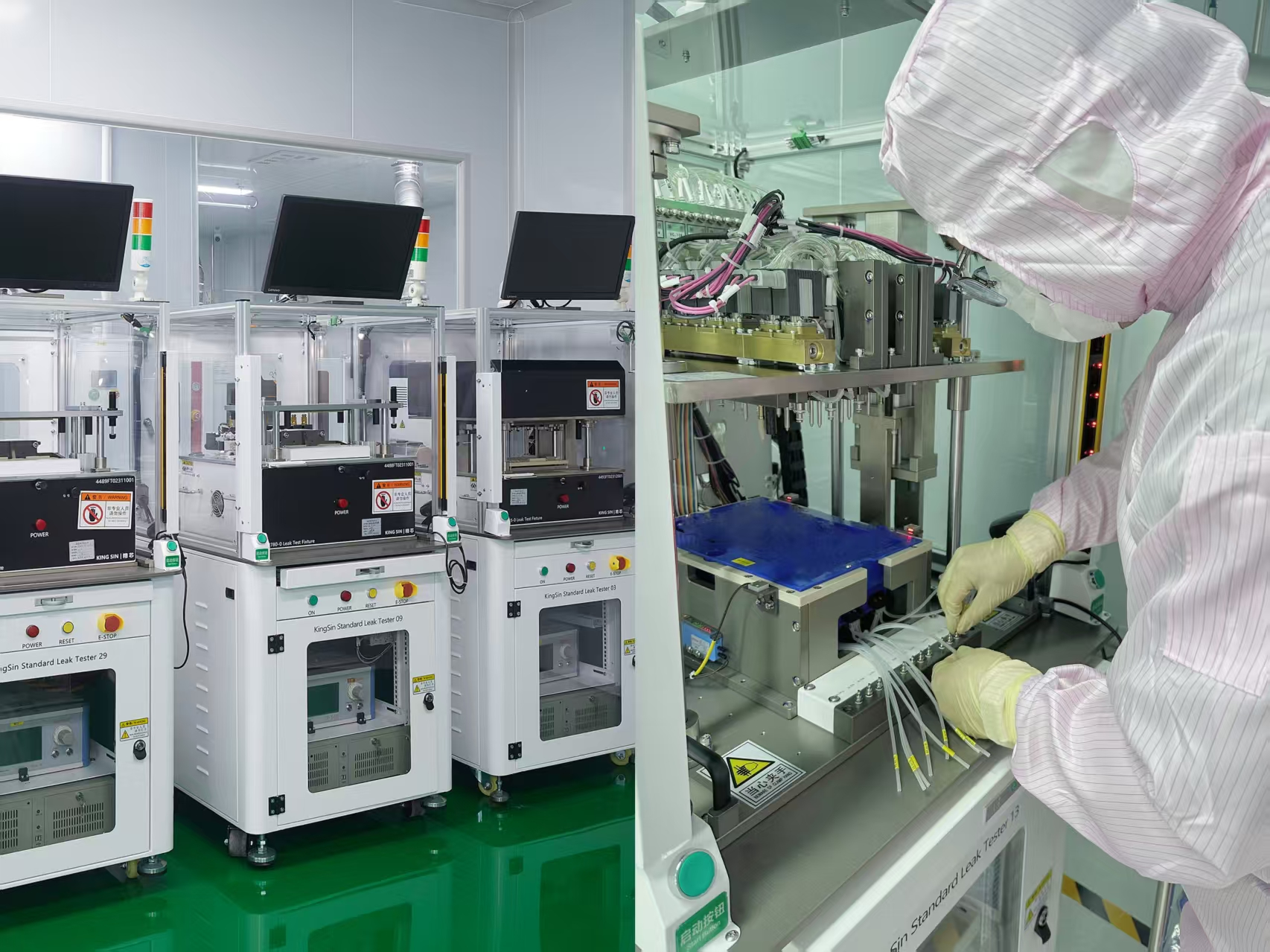
A structured medical device testing plan helps place checks where they can detect problems before more value is added. Our quality workflow at Kingsin includes incoming quality control, first-article and in-process inspection, and outgoing release checks, supported by laboratory resources when microbiological or physicochemical evidence is relevant.
Put Quality Gates Where Problems Can Still Be Contained
A final inspection can detect a defective finished unit, but it may be too late to show where the problem started. OEM manufacturing works better when quality gates are placed along the production flow.
Incoming inspection can review appearance, dimensions, tolerances, material information, certificates, or function before components enter inventory. First-article inspection can confirm that a setup is producing the intended result. In-process checks can then monitor dimensions or functions while production continues.
This sequence reduces the investigation area. If an incoming component fails before assembly, the team does not have to sort finished devices to discover the same issue later. If a process begins to drift, in-process data may reveal the change before final release.
The control plan also needs clear ownership. Purchasing, production, quality, and laboratory teams should know which result blocks material use, which result stops a process, and which result requires engineering review. Clear escalation rules matter as much as the test itself because a result only protects the process when the factory knows what action must follow.
Compare Medical Device Testing Companies by Process Fit
Testing providers vary in scope. Some focus on a narrow laboratory discipline, while others support broader quality or manufacturing activities. The right choice depends on what evidence the OEM process actually requires.
A manufacturer should first define which tests are tied to raw materials, which belong to the production process, and which are required for final release. That prevents a project from buying unrelated tests simply because they are available.
When comparing medical device testing companies, useful questions include whether results can be linked to a batch, whether methods match the product requirement, and whether deviations are reported in a form the manufacturing team can act on.
Medical device testing companies are most useful to an OEM program when their results fit the existing quality plan. A standalone report has less operational value if the factory cannot connect it to a material lot, production step, or release decision.
Turn Medical Device Testing Results Into Process Decisions
Testing data should trigger a defined response. A dimensional trend may point to tooling or process setup. A function failure may indicate assembly variation. A material result may require supplier review. Environmental data may require a closer look at cleaning or handling conditions.
The important step is to separate detection from diagnosis. A failed test identifies a problem; it does not automatically identify the cause. Investigation should compare the result with the relevant drawing, material record, process condition, and prior inspection history.
At Kingsin, quality engineers use incoming, in-process, and outgoing data within the manufacturing workflow. Laboratory support adds another evidence source when the project requires bioburden, environmental, water, material-property, or compatibility information.
This makes medical device testing part of manufacturing control rather than an isolated laboratory activity. It also helps teams decide whether the right response is containment, supplier action, process adjustment, engineering review, or another targeted test.
Use Traceability to Make Testing Data More Useful
Traceability helps narrow the source of a production anomaly by linking a failed or unusual result to its material lot, supplier, product revision, process conditions, and inspection history.
If one batch performs differently from another, teams can compare these records to determine whether the variation is associated with incoming materials, equipment settings, assembly conditions, or another manufacturing factor. This makes medical device testing more useful because the result becomes part of an investigation rather than an isolated pass-or-fail record.
For OEM manufacturing, traceability also helps contain the scope of corrective action. Instead of treating all production as potentially affected, teams can identify the specific lots, components, or process periods that require review.
Conclusion
Successful OEM manufacturing relies on quality gates that detect problems close to their source, tests that match the production process, and records that connect results with the correct batch and product revision. Medical device testing companies are therefore better assessed by relevance, reporting, and traceability than by test menus alone.
At Kingsin, we place laboratory findings within the same quality-control workflow used for incoming inspection, production monitoring, investigation, and release. This helps us turn test results into practical manufacturing decisions rather than isolated reports.


Copyright © 2025 Kingsin Technology Pte. Ltd. All rights reserved.
By: JOYMAGIC