
Release time: Oct 10,2026
Views: 7
Prototype validation becomes useful when a test result changes a design decision. A sample that simply “looks right” gives limited evidence, while a sample tested against a defined requirement can show whether a material, interface, dimension, or function is ready to move forward.

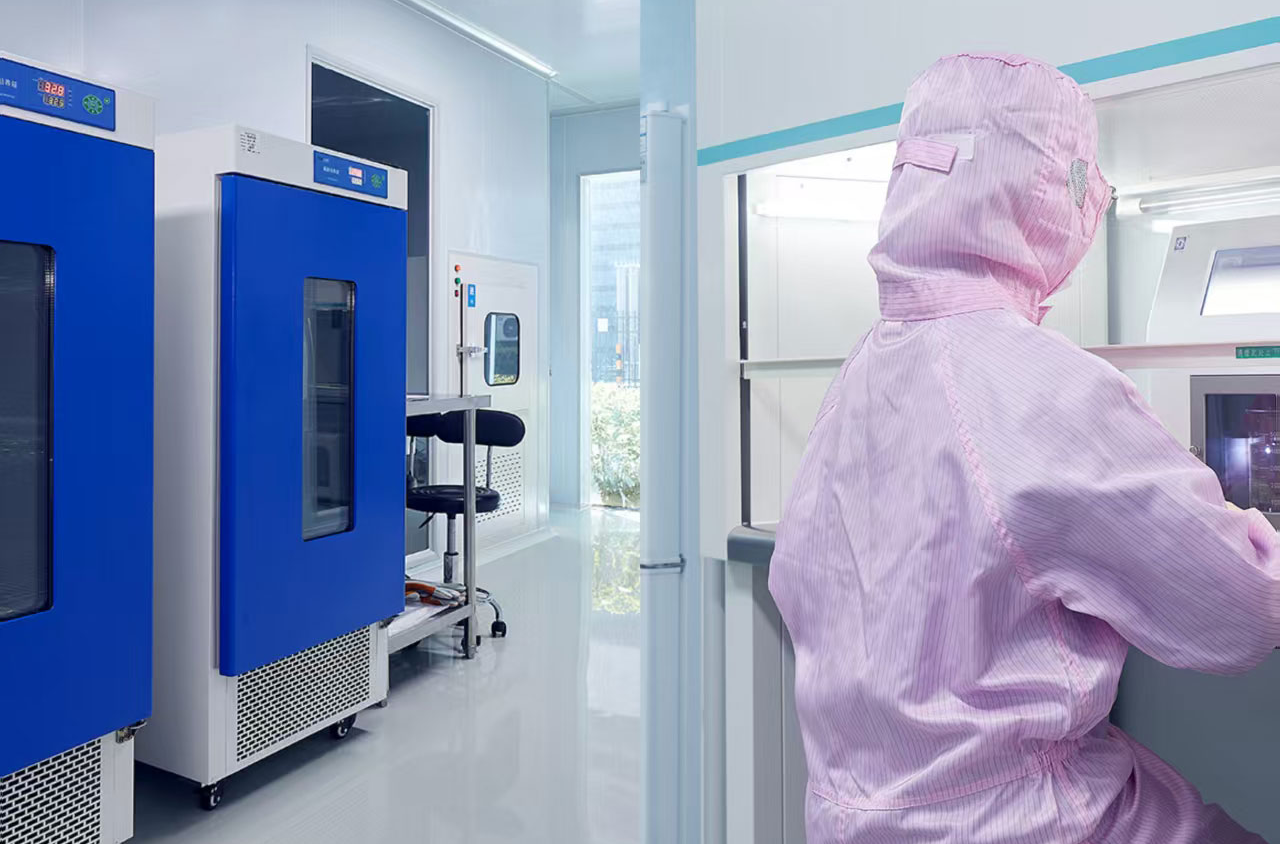
A practical medical device testing plan starts with the question the prototype is meant to answer. At Kingsin, we operate microbiology and physicochemical laboratories that support bioburden, environmental monitoring, purified-water, material-property, and compatibility work. These resources are most valuable when they are matched to the actual uncertainty in the prototype.
How Medical Device Testing Defines a Useful Validation Question
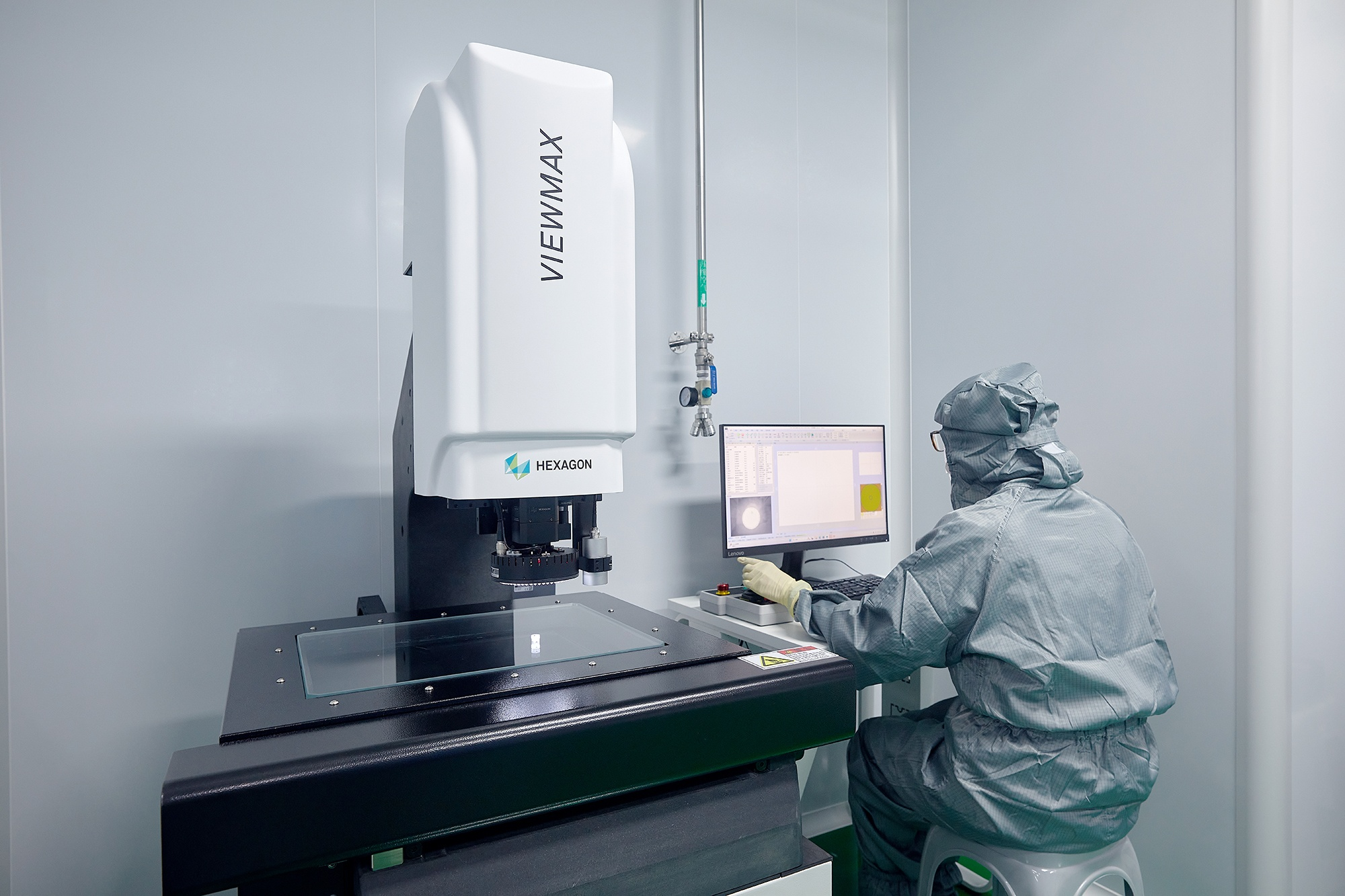
Testing should not begin with a long menu of available methods. The first step is to identify the decision that is still open. If the concern is fit, the team may need dimensional evidence.If the concern involves material behavior or pre-sterilization microbial load, the test should focus on relevant contact conditions or bioburden, respectively.
The prototype version must also be clear. Results have little value if the team cannot identify which drawing, material, component set, or assembly condition produced the sample.
Sample preparation deserves the same discipline. Conditioning time, cleaning, assembly state, storage, and handling can change a result even when the design itself has not changed. Recording those conditions helps the team distinguish a real design effect from variation introduced before the test began.
Good medical device testing therefore records the sample identity, the question being tested, the method, the acceptance criterion, and the outcome. This makes the next iteration easier to plan and prevents a later team from applying an old result to a changed design.
How to Evaluate Medical Device Testing Support for OEM Projects
Prototype testing support should be evaluated by how well it fits the product, development stage, and evidence required for the next engineering decision. A long list of available tests is less useful if the methods do not address the specific uncertainty being investigated.
Teams should first confirm that the testing scope matches the prototype question. Material compatibility, bioburden, environmental conditions, and physicochemical properties require different methods, so the selected support should be based on the evidence the project actually needs.
Searches for the best cro for medical device testing often reflect a broader need for reliable testing support. For an OEM project, more useful criteria include clear sample identification, controlled test conditions, suitable methods, accurate reporting, and the ability to connect results with the relevant product revision.
Testing support becomes more valuable when laboratory findings can be considered alongside design, prototyping, and manufacturing information. This helps teams determine whether a result points to a material issue, a design variable, a process condition, or another factor that requires further investigation.
Separate Laboratory Evidence From Engineering Interpretation
A laboratory result does not decide whether a design is acceptable on its own. Engineers still have to interpret what the result means for function, materials, interfaces, or manufacturing.
For example, a compatibility test may show a material change after contact with a solution or disinfectant. The next question is whether that change affects dimensions, sealing, handling, appearance, or another requirement. The report provides evidence; the project team decides what action follows.
The same principle applies throughout medical device testing. Laboratory staff can describe the measured result and test conditions, while engineering can determine whether the finding affects geometry, material selection, assembly, or the next prototype.
Within Kingsin projects, we can review laboratory findings alongside engineering records, prototyping, and manufacturing preparation.
Our role is to make relevant laboratory evidence usable within the wider OEM/ODM development workflow when a project needs that connection.
Treat Failures as Information, Not as a Reason to Restart Everything
A failed result should narrow the investigation. Before redesigning the product, confirm that the sample identity, method, equipment, and acceptance criterion were correct. Then isolate the most likely source of the problem.
A disciplined response usually asks:
· Was the correct prototype version tested?
· Did the sample receive the intended preparation?
· Which design or material variable is most closely related to the failure?
· Does the next build need a design change, a process change, or another controlled test?
This approach keeps prototype evaluation focused on learning. It also prevents teams from changing several variables at once and losing the ability to understand whether the next passing result came from the intended correction.
Conclusion
Prototype validation is strongest when every result is tied to a defined question, known sample, controlled condition, and clear follow-up action. The right external laboratory will differ by project, so provider selection should focus on relevant scope and evidence quality rather than a generic ranking.
At Kingsin, we use laboratory findings as one part of the wider development record. We connect relevant test evidence with engineering and manufacturing information when customers need a clearer basis for deciding what to retain, revise, or evaluate next.


Copyright © 2025 Kingsin Technology Pte. Ltd. All rights reserved.
By: JOYMAGIC