
Release time: Oct 08,2026
Views: 7
Custom disposable medical devices often look simple only after development is finished. Before that point, teams still have to resolve material choice, geometry, interfaces, joining, cleanliness, inspection, packaging needs, and the manufacturing route. Because a disposable product may eventually be produced repeatedly, small design decisions can have a large effect on assembly effort and quality control.
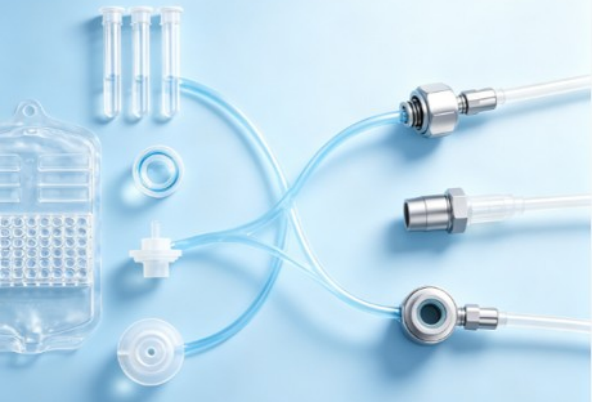
Early medical device engineering services help organize those decisions before tooling and production methods become difficult to change. At Kingsin, our engineering support covers design, DFM, prototyping coordination, sourcing, BOMs, and technical documentation, while manufacturing resources include molding, extrusion, welding, and cleanroom assembly.
Medical Device Engineering Services Start With the Use Case
A disposable device should first be defined by what it must do, what it contacts, how it connects to other components, and which features are critical to performance. Geometry should follow those needs rather than being finalized before the functional boundaries are understood.
For a custom consumable, the engineering team may need to define:
· critical dimensions and interfaces;
· material requirements and contact conditions;
· assembly or joining points;
· inspection methods for key features;
· packaging or cleanliness constraints relevant to production.
Medical device engineering services turn these inputs into drawings, BOM information, and reviewable design choices. This gives DFM a clear target. Instead of asking whether a part can be made in a general sense, the review can ask whether the intended process can reproduce the features that actually matter.
The same approach helps control customization. Not every customer request should trigger a complete redesign. A well-defined baseline makes it easier to see whether a requested change affects function, tooling, material qualification, assembly, or inspection.
Choose Prototype Methods for the Question Being Tested
Prototype methods do not need to match the final production process in every early iteration. They need to provide the right kind of information. A quick rigid sample may help confirm geometry, while a more representative material may be needed to review flexibility, sealing, or handling.
Medical device CNC machining can be useful for selected prototype questions when a rigid machined sample is appropriate, especially for housings, fixtures, or components that need accurate geometry. It should not be treated as the automatic production route for a disposable medical device.
When teams use Medical device CNC machining as part of development, they should ask what the machined sample can and cannot prove. A CNC prototype may confirm dimensions and interfaces, but it may not reproduce the material behavior, surface condition, or cycle-dependent variation of a future molded or extruded part.
CNC-machined prototypes may be sourced through established prototyping suppliers when that method suits the engineering question. Our role is to coordinate the sample and connect its findings back to medical device engineering services, DFM review, and the later manufacturing plan.
Transfer Prototype Learning Into Disposable-Device Manufacturing
The main risk with prototype work is assuming that a successful sample automatically proves production readiness. Disposable devices often rely on processes such as injection molding, extrusion, welding, or cleanroom assembly, each of which creates its own design and inspection constraints.
Engineering review should therefore compare prototype findings with the intended manufacturing route. If a machined prototype required manual adjustment to fit, the team needs to determine whether the final process can reproduce the corrected geometry without the same intervention.
Medical device CNC machining is valuable when its role stays clear: it can answer an early geometry question, support fixture development, or provide a comparison part. It becomes misleading only when prototype accuracy is treated as evidence that a different high-volume process will behave the same way.
At this stage, drawings and inspection criteria should start reflecting the selected production method. That makes later pilot builds more informative because the team is evaluating a defined process rather than an approximate concept.
Build Inspection and Clean Manufacturing Into the Process
Disposable-device manufacturing benefits from quality checks placed close to the source of variation. Incoming materials can be reviewed before use, first articles can confirm early output, and in-process inspection can track critical dimensions or functions while production is running.
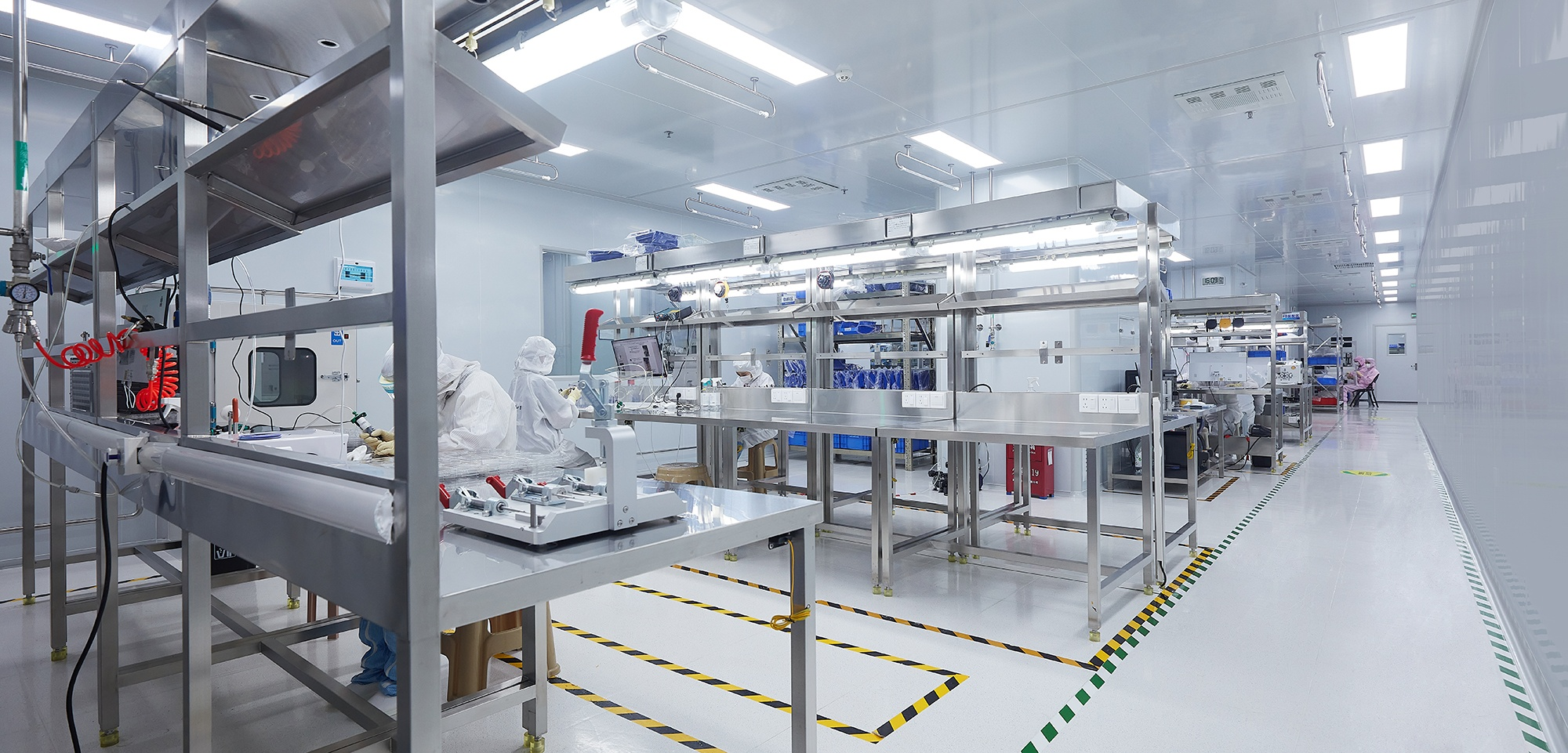
Clean manufacturing requirements also need to be planned as part of the process rather than added at the end. Within Kingsin, we perform assembly work in a controlled cleanroom environment, while our broader quality workflow includes incoming, in-process, and outgoing inspection.
The key point is that a disposable device needs a repeatable route from approved design to released product. That route should identify what is made, how it is checked, which records define it, and what triggers another engineering review.
Conclusion
Custom disposable devices become easier to scale when function, materials, interfaces, prototype evidence, and production controls are considered together. Medical device CNC machining may answer selected prototype questions, but its value depends on what the sample proves and how those findings transfer to the intended production process.
At Kingsin, we carry approved engineering decisions into molding, extrusion, joining, inspection, and other relevant manufacturing activities. This allows us to keep prototype learning connected with the requirements used for later production.


Copyright © 2025 Kingsin Technology Pte. Ltd. All rights reserved.
By: JOYMAGIC