
Release time: Sep 23,2026
Views: 7
Advanced catheter and tubing projects are governed by relationships between lumen geometry, wall thickness, material behavior, connector design, joining conditions, and inspection access. A small dimensional shift compromise flexibility, sealing, or flow dynamics—even if the standalone tubing meets part-level specs.
For that reason, medical device engineering services should treat the tube and its interfaces as one engineered system. Kingsin connects product engineering with medical-grade extrusion, molding, welding, cleanroom assembly, laboratory resources, and quality inspection for tubing-focused projects.
Inner diameter, outer diameter, and wall thickness should not be specified independently. Inner diameter influences the flow path; outer diameter affects connector fit and surrounding interfaces; wall thickness contributes to flexibility and dimensional stability.
The relationship between those dimensions is often more important than any single nominal value. Engineering review should identify which dimensions are function-critical, how variation will be measured, and how the tube interfaces with molded or joined components.
For small tubing, wall uniformity and dimensional consistency deserve particular attention because minor variation occupies a larger share of the total geometry. Inspection planning should therefore be considered while the specification is being developed, not after the extrusion process is selected.
During medical device product development, a clear dimensional hierarchy helps the team distinguish critical characteristics from values that tolerate more variation without changing the intended function.
|
Tubing Variable |
Primary Engineering Question |
Assembly Impact |
|
Inner diameter |
Is the required flow path maintained? |
Influences channel geometry |
|
Outer diameter |
Does the tube fit the mating interface? |
Affects positioning and retention |
|
Wall thickness |
Is flexibility balanced with stability? |
Influences handling and joining |
|
Connector geometry |
Is the tube-to-component interface controlled? |
Affects sealing and assembly consistency |
Dimensional stack-up also matters at the tube-to-connector joint. Combined variation across the tube, connector, and insertion feature can reduce sealing or positioning margin even when each component individually remains within its own specification.
Extrusion translates a dimensional specification into a continuous physical profile, and the result depends on more than the CAD drawing. Material behavior, die configuration, cooling, and downstream handling all influence the finished tube.
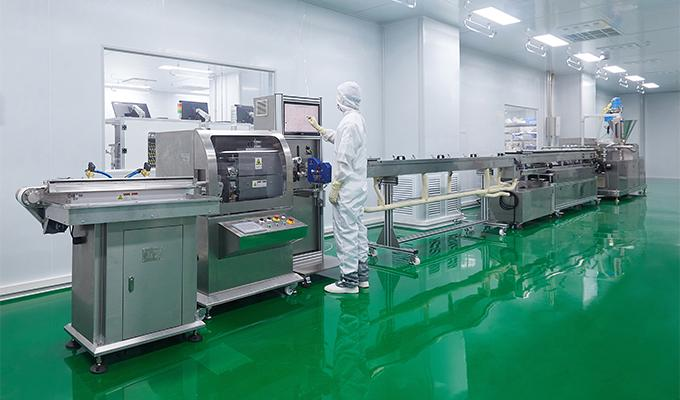
Kingsin’s medical-grade extrusion system uses 316L stainless-steel critical contact surfaces and supports tubing diameters as small as 0.22 mm with a stated tolerance of ±0.01 mm. This high-precision equipment is regularly applied in microfluidics, organ-on-chip systems, and cell-culture channels.
Those published figures should be treated as capability references rather than universal guarantees for every catheter or polymer. Achievable results can depend on the selected material, geometry, and specific operating conditions, so the project specification still requires process-based engineering review.
That distinction is important in medical device product development. A requested tolerance is useful only when it reflects both functional need and a realistic fabrication window.
A tubing material affects more than flexibility. Its processing characteristics can influence how the extrusion behaves, while its physical properties may affect handling, joining, and the finished assembly.
Kingsin’s physico-chemical laboratory evaluates density, viscosity, melting point, and hardness. Where relevant to the application, material-compatibility testing also examine interactions with solutions, drugs, or disinfectants.
This testing helps distinguish material-related issues from purely dimensional or geometric variations. If a tubing sample handles differently than expected, changing the diameter immediately may mask an issue that is more closely related to material properties or the selected processing route.
Engineering teams should therefore review geometry and material as linked variables. The goal is a tube specification that describes the required product behavior while remaining compatible with the planned extrusion and downstream assembly processes.
A catheter or tubing system usually becomes functional only after it is connected to another component. Molded connectors, housings, welded interfaces, and fixtures introduce new dimensional and mechanical relationships that do not exist in the standalone tube.
During medical device product development, insertion depth, mating geometry, joining access, and inspection location should be considered together. A connection that is easy to assemble but difficult to inspect may create avoidable uncertainty later.
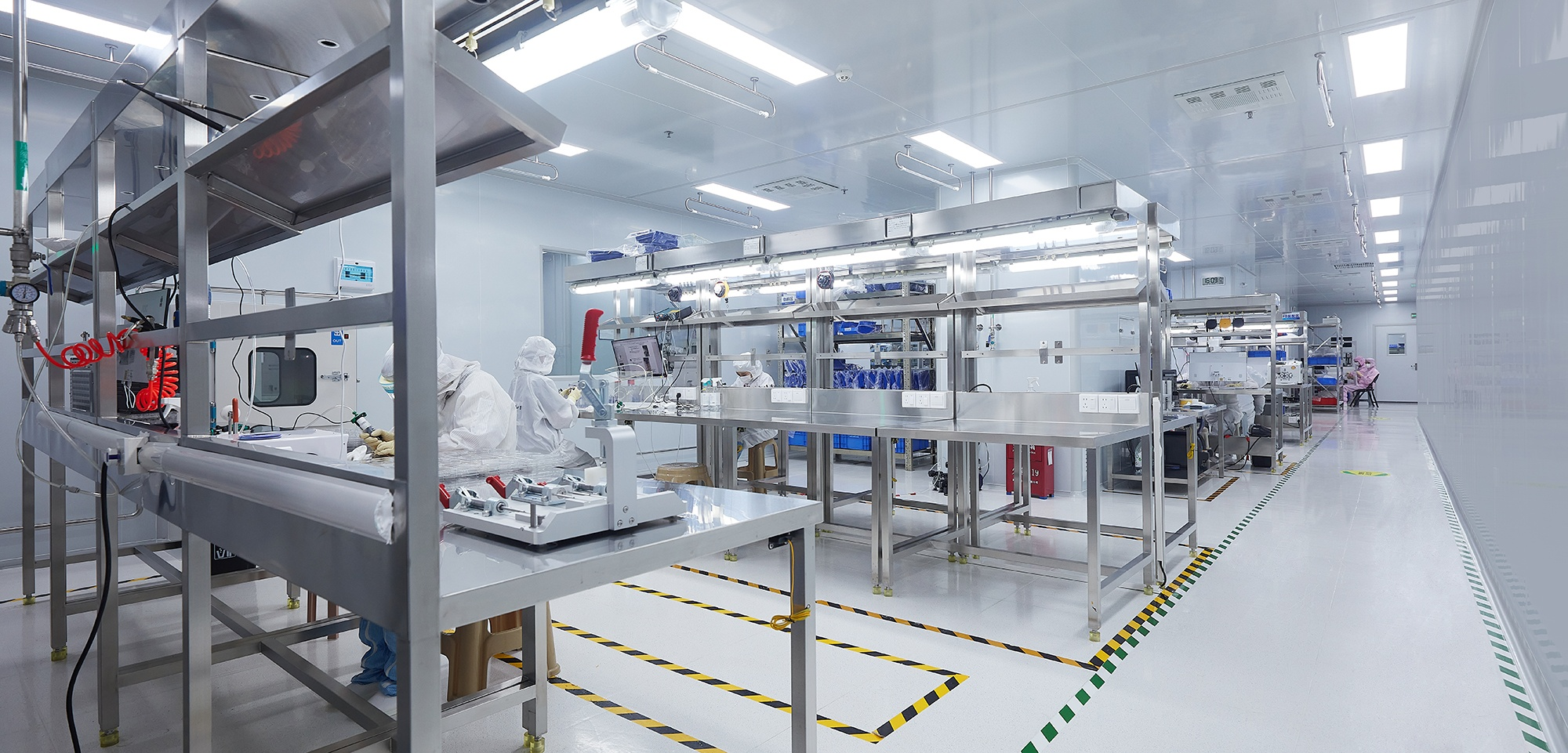
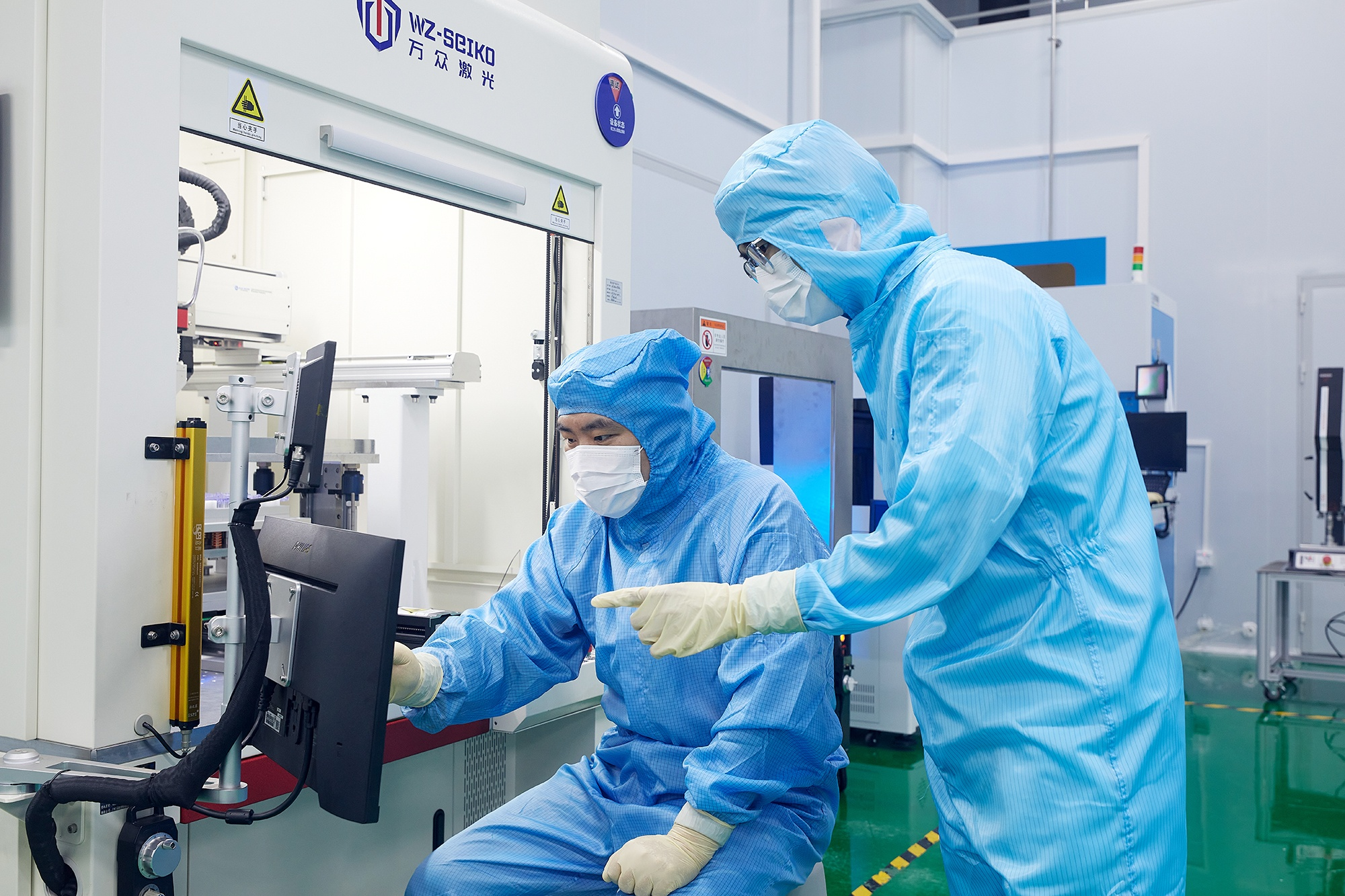
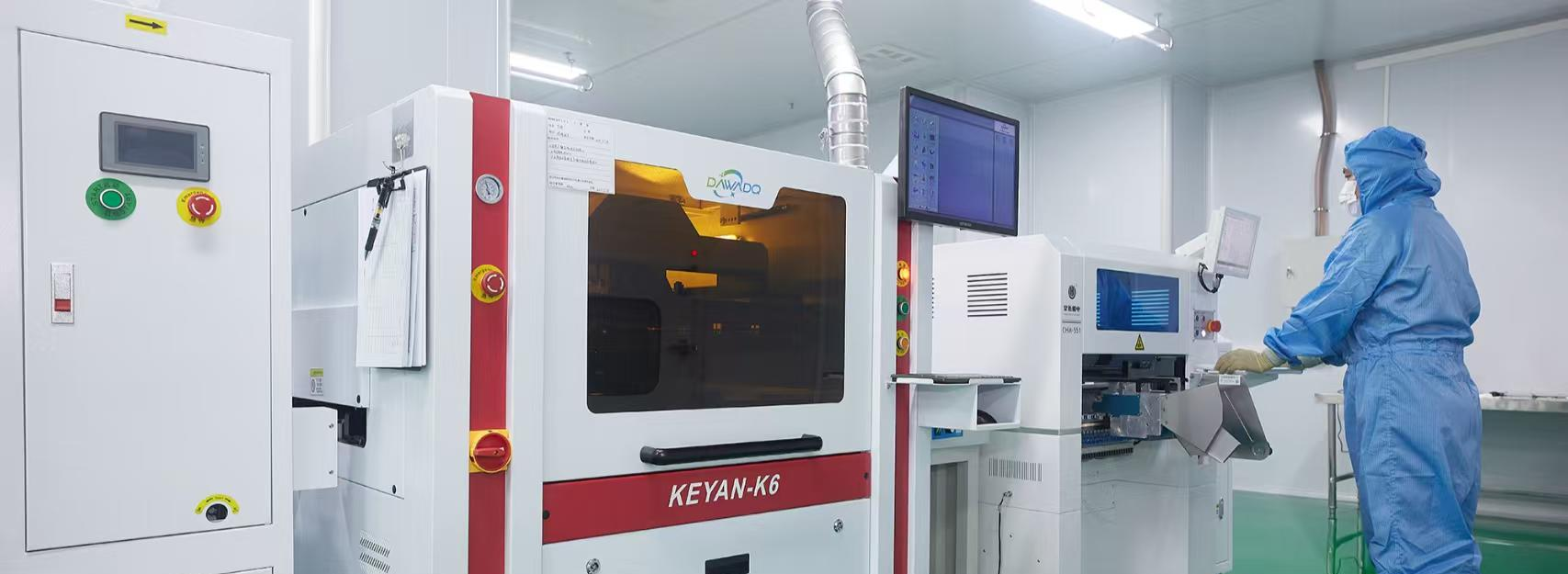
Production resources include precision injection molding, laser welding, ultrasonic welding, and ISO Class 7 cleanroom assembly. These processes support projects in which extruded tubing must integrate with molded or joined medical-device components.
Verification should reflect the complete interface. Dimensional checks confirm geometry, while functional or leak testing may be applicable when sealing or flow-path integrity is part of the product requirement.
Treating the joint as a core structural interface ensures the design prioritizes overall system performance over isolated component metrics.
Advanced catheter and tubing engineering depends on coordinated control of lumen geometry, wall thickness, material behavior, extrusion capability, connector design, and joint verification. The most reliable specification is one built around the complete assembly rather than a standalone tube dimension.
From initial lumen specification to final verification, Kingsin provides the integrated engineering and manufacturing support needed to build reliable tubing assemblies.


Copyright © 2025 Kingsin Technology Pte. Ltd. All rights reserved.
By: JOYMAGIC