
Release time: Oct 28,2026
Views: 3
Medical device OEM programs depend on more than capable production equipment. They also require dependable sourcing, qualified suppliers, controlled materials, and clear communication across development and manufacturing. The FDA identifies manufacturing and quality problems, geopolitical issues, natural disasters, delays, and discontinuations as potential causes of medical device supply disruptions.
Start with Supplier Qualification and Risk Mapping
A resilient supply chain begins with knowing which suppliers are critical and what risks they introduce. Components that directly affect device performance deserve closer evaluation than low-risk, readily replaceable items. Supplier selection should consider quality systems, technical capability, delivery performance, capacity, and the supplier's ability to maintain consistent specifications.
Medical device OEM supply management should also include documented supplier evaluation and re-evaluation. Supplier risk reviews should also be repeated as projects, volumes, materials, and market conditions change. A supplier that performs well for one component or production stage may require different controls when its role becomes more critical. Regular review keeps the sourcing strategy aligned with actual product risk.
FDA audit guidance referencing ISO 13485:2016 requires documented criteria for supplier selection, evaluation, and re-evaluation, with the extent of control related to the effect of purchased products on the finished device.
Build a Diversified and Responsive Sourcing Network
Relying too heavily on one source can expose an OEM program to disruptions. A resilient model identifies alternative suppliers for strategically important materials or components and evaluates them before an emergency occurs. Alternative sources must still meet defined quality, technical, and regulatory requirements.
We support this approach through our Supply Chain Support and Sourcing service. With more than ten years of accumulated sourcing experience, we have built a supplier network in China to help identify cost-effective and dependable suppliers. We evaluate sourcing options around project requirements and coordinate supply decisions with manufacturing needs, helping customers create a more responsive production structure.
Connect Sourcing with Product Development
Supply chain planning should begin during product development rather than after a design has been finalized. Material availability, component lead times, manufacturing processes, and supplier capabilities can influence whether a design can be produced consistently at commercial scale.
We connect sourcing with engineering through our one-stop OEM/ODM model. Our engineering services cover CAD design, DFM optimization, prototyping, sourcing, and ISO 13485-compliant documentation support. This approach allows procurement considerations to enter the development process earlier, while medical device OEM supply management can remain aligned with design and manufacturing decisions.
Strengthen Inventory and Traceability Controls
Inventory resilience is not simply a matter of holding more stock. Excess inventory can increase carrying costs and create issues when materials have shelf-life or storage requirements. A better approach is to establish visibility over critical parts, quantities, locations, and usage.
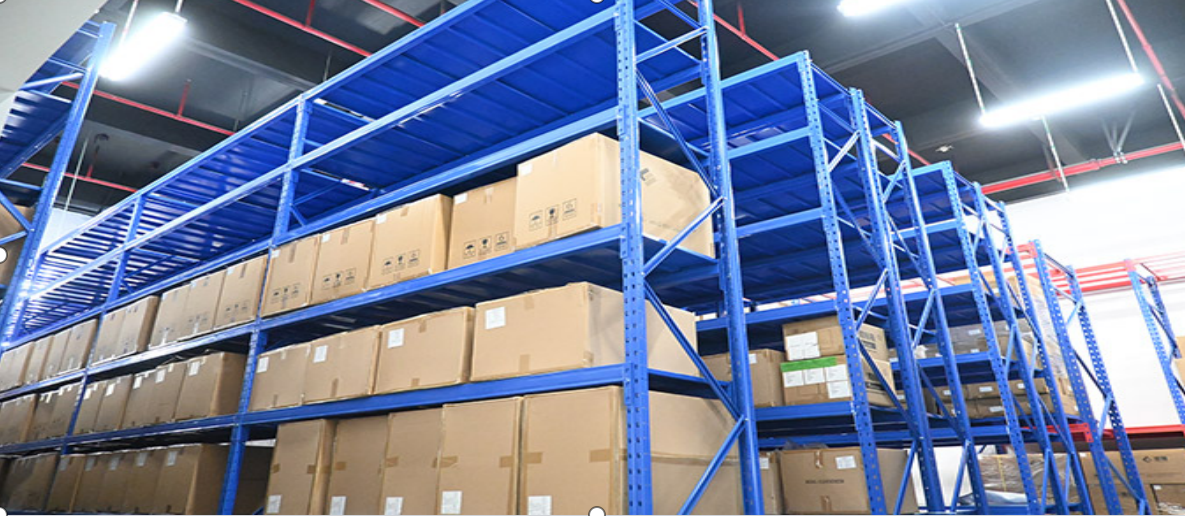
Our smart warehouse uses zoned management for secure and efficient storage. The parts warehouse organizes standard parts, custom components, and spares with barcodes and project-specific layouts, supporting fast picking and FIFO control. Finished goods are stored by order after final inspection and connected with dispatch tracking, strengthening traceability across the outbound process.
Use Digital Systems to Improve Supply Visibility
Reliable medical device OEM supply management also depends on timely information. When purchasing, production, and inventory data remain disconnected, teams may discover shortages only after they affect manufacturing schedules. A shared enterprise system can provide a more consistent view of materials and production requirements.
Our ERP currently serves as the primary enterprise management system. We are planning to integrate MES to strengthen real-time coordination on the production floor and improve data flow across the process, from BOM to inventory.
Prepare for Disruption Before It Happens
Resilience requires contingency planning rather than relying on emergency reactions. The FDA recommends that medical device manufacturers assess supply-chain risks, maintain continuity plans, identify alternate sources of materials and delivery methods, and consider additional production capacity when appropriate.
For OEM programs, contingency planning can include identifying critical suppliers, defining acceptable alternatives, monitoring lead times, and establishing communication procedures. It should also clarify how engineering, quality, procurement, production, and logistics teams will respond when a supplier cannot meet requirements.
Link Supply Resilience to Commercial Performance
Supply chain reliability directly affects customer confidence. A delayed component can postpone assembly, while an unresolved quality issue can create rework, additional inspection, or shipment delays. These operational consequences can ultimately affect medical device sales by limiting a company's ability to fulfill market demand consistently.
We therefore treat supply chain capability as part of the broader manufacturing solution rather than as an isolated purchasing function. By combining supplier sourcing, engineering support, manufacturing, warehouse controls, and digital integration, we help create a more connected supply structure. This supports more predictable production and gives OEM customers a stronger foundation for sustainable medical device sales.
Build for Continuity, Not Just Capacity
A resilient OEM supply chain is built through several connected disciplines: qualified suppliers, diversified sourcing, early engineering involvement, controlled inventory, traceability, digital visibility, and documented contingency planning.
At Kingsin, we bring these elements together through our one-stop OEM/ODM medical-grade manufacturing approach. Our sourcing network, engineering capabilities, smart warehouse, and ERP-based management provide a foundation for medical device OEM supply management that can adapt as projects grow. For businesses seeking dependable manufacturing support, this integrated model can help protect quality, continuity, and long-term medical device sales.


Copyright © 2025 Kingsin Technology Pte. Ltd. All rights reserved.
By: JOYMAGIC