
Release time: Nov 16,2026
Views: 23
Medical device development involves more than turning an idea into a physical sample. Engineering design, material selection, functional testing, quality management, and manufacturing feasibility all influence whether a prototype can progress toward production.
For hospitals, laboratories, distributors, and medical device brands, choosing the right development partner can reduce technical risks and avoid costly redesigns. A qualified partner should understand engineering requirements as well as the quality expectations of medical device manufacturing.When evaluating suppliers, companies should consider engineering expertise, regulatory awareness, customization capabilities, and production support rather than focusing only on prototype costs.
The right prototyping partner helps transform product requirements into a manufacturable design while identifying potential problems before mass production. Three factors make partner selection particularly important:
● Reducing development risks: Prototype testing can reveal structural weaknesses, component compatibility problems, and functional limitations before larger investments are made.
● Connecting engineering with manufacturing: A design that works as a prototype may still be difficult or expensive to manufacture. Production requirements should be considered early.
● Controlling costs and timelines: Identifying design problems before tooling and production can reduce repeated modifications, material waste, and unnecessary development cycles.
For example, a laboratory equipment developer may need customized housing with specific dimensions, materials, and component interfaces. A partner who evaluates these requirements alongside assembly and manufacturing constraints can help reduce unexpected changes.
The objective is not simply to produce a sample. It is to develop a technically feasible design that can progress through appropriate testing and manufacturing stages.
A qualified partner should provide engineering support from initial design assessment through prototype refinement and manufacturing preparation.
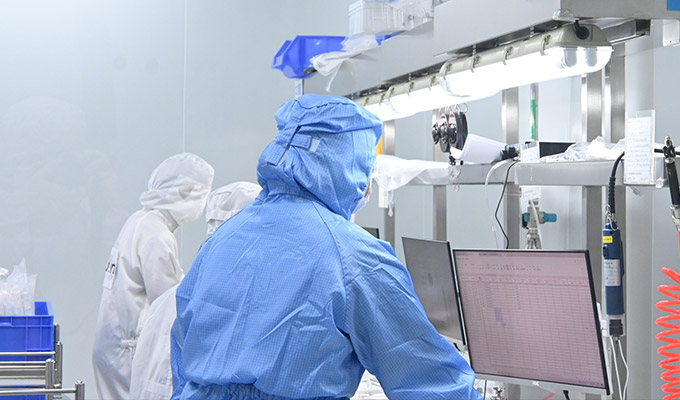
Mechanical engineering determines how components fit together and how the device performs under expected operating conditions. The engineering team should evaluate dimensions, tolerances, structural stability, assembly requirements, and component interfaces. Computer-aided design (CAD) models and engineering drawings also help teams communicate specifications accurately.
Materials should be selected according to the intended application, operating environment, cleaning requirements, and applicable regulatory considerations. Important evaluation factors include:
● Chemical resistance and material compatibility.
● Mechanical strength and dimensional stability.
● Surface characteristics and cleaning requirements.
● Biocompatibility, where applicable.
● Compatibility with intended sterilization methods, if required.Material suitability must be assessed against the actual product application rather than assumed from general material properties.
Design for Manufacturability (DFM) evaluates whether a product can be manufactured consistently and economically. A development partner should review part complexity, component standardization, assembly procedures, tooling requirements, and quality control considerations. Early DFM analysis helps identify unnecessary design complexity before production begins.
A single prototype rarely answers every engineering question. Multiple iterations may be needed to evaluate dimensions, component integration, usability, and functional performance. The supplier should establish testing objectives and document design changes between iterations. Prototype testing should not be confused with formal design verification, design validation, or clinical evaluation.
A medical device prototyping partner should understand how quality management and regulatory requirements influence product development and manufacturing. Consider these four areas:

ISO 13485 is an international quality management system standard specifically developed for medical device organizations. Ask suppliers about their certification scope, certified facilities, document control procedures, and quality management processes. Certification demonstrates an established quality framework, but it does not automatically mean every product is approved for sale in every market.
ISO 14971 provides a framework for identifying hazards, evaluating risks, implementing risk controls, and monitoring their effectiveness throughout the medical device life cycle. Engineering changes, material substitutions, and component modifications may require risk reassessment. A capable partner should understand how these decisions affect product risks.
These processes serve different purposes:
|
Process |
Main purpose |
|
Design verification |
Confirms that design outputs meet specified requirements. |
|
Design validation |
Evaluates whether the finished design meets user needs and intended uses. |
|
Prototype testing |
Checks sample performance under defined test conditions. |
Ask how testing requirements are established, how results are documented, and how failed tests lead to corrective design actions.
Depending on the project, relevant documentation may include:
● Engineering drawings and specifications.
● Bill of Materials (BOM).
● Material and component records.
● Inspection and test reports.
● Design change records.
● Manufacturing and quality records.For the US market, the FDA's Quality Management System Regulation (QMSR) became effective on February 2, 2026, incorporating ISO 13485:2016 by reference. Suppliers should understand the requirements applicable to their manufacturing responsibilities.
OEM and ODM arrangements offer different levels of development involvement. Understanding the distinction helps businesses select a cooperation model that matches their internal engineering resources.
Original Equipment Manufacturing (OEM) generally involves producing products according to customer-provided designs, specifications, or technical requirements. OEM partners are suitable for businesses with established product designs that need manufacturing resources and production support. Evaluate the supplier's ability to provide:
● Manufacturing according to approved specifications.
● Consistent production and inspection procedures.
● Component sourcing and supplier coordination.
● Production planning and delivery management.
● Protection of customer designs and intellectual property.
Original Design Manufacturing (ODM) involves greater supplier participation in product development.This model is suitable for companies with a product concept or functional requirements but limited internal engineering resources. An ODM partner may support product architecture, CAD design, material selection, prototyping, and DFM.
Medical device projects may require customized dimensions, interfaces, components, materials, and configurations. Before development begins, clarify design ownership, confidentiality arrangements, technical file access, and responsibility for engineering changes. The supplier should also explain how approved prototypes move into production, including tooling preparation, component sourcing, inspection procedures, and manufacturing process development. Clear transfer procedures help maintain consistency between prototypes and production units.
Kingsin provides OEM/ODM medical-grade product development and manufacturing support, combining engineering services, customization, and production capabilities.
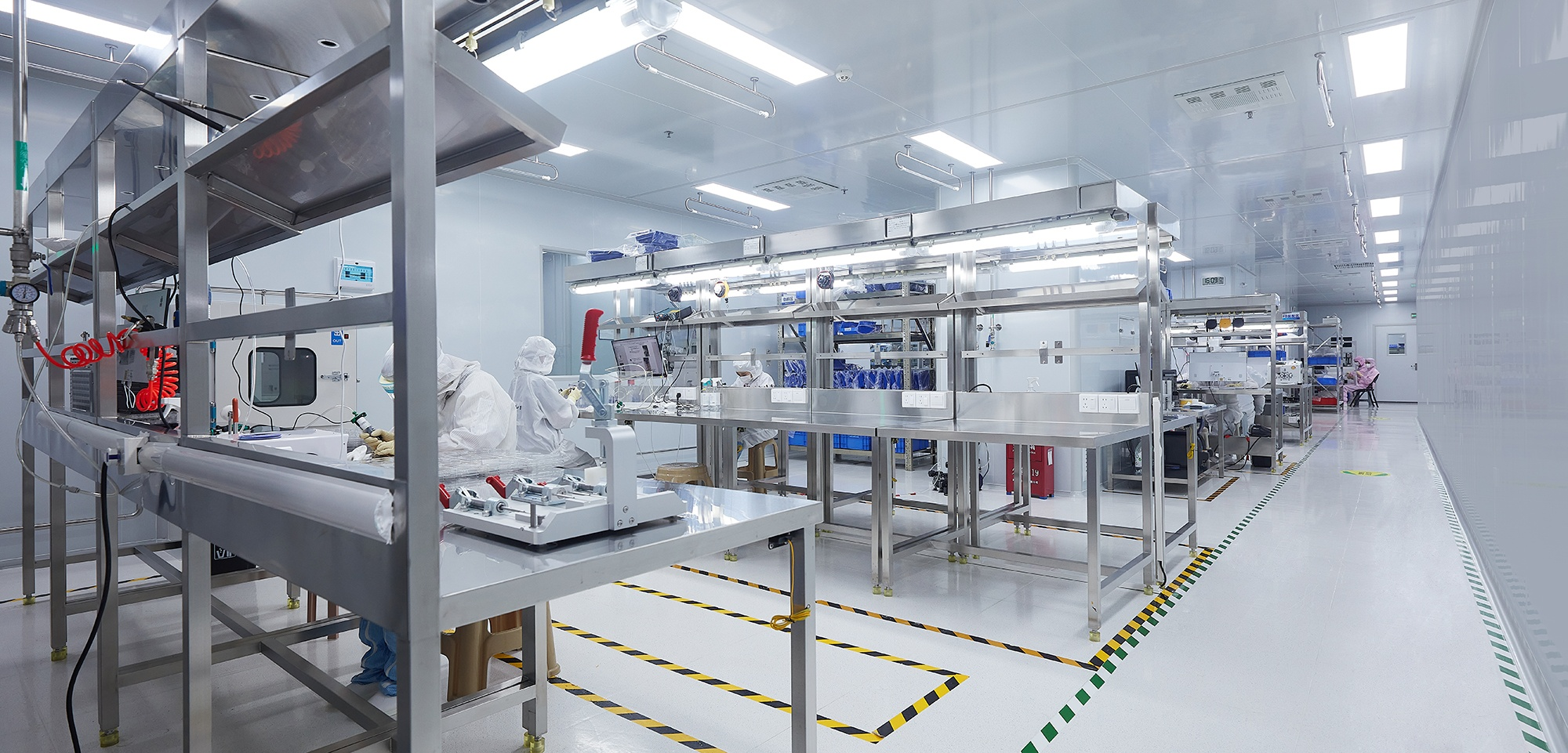
According to its official website, Kingsin has over a decade of industry experience and more than 200 product design and development cases. Its engineering services include product design, CAD development, DFM optimization, prototyping, and sourcing. Dedicated project managers coordinate development activities and communication. These services support businesses that need additional engineering resources to turn product concepts and technical specifications into manufacturable designs.
Kingsin supports prototype development through established prototyping suppliers. Its website states that these suppliers can respond within 48 hours. This refers to supplier response time, not guaranteed prototype completion.Its DFM services cover:
● Part standardization and cost analysis.
● Manufacturing process optimization.
● Assembly considerations.
● Quality control planning.Businesses seeking medical device prototyping can discuss their design requirements and development objectives with the Kingsin team.
Kingsin states that its factory is ISO 13485-certified and operates in accordance with cGMP requirements. Its manufacturing capabilities include injection molding, precision extrusion, welding, Surface Mount Technology (SMT), and cleanroom assembly. The company also provides microbiological and physicochemical laboratory testing support, including bioburden, water, and material testing. Specific facility scopes and testing applicability should be confirmed during project evaluation.
Kingsin also supports engineering documentation, sourcing, and supplier coordination. For OEM/ODM brands, this integrated approach helps connect design development, component procurement, and manufacturing preparation. Companies evaluating medical device engineering services can discuss technical specifications, customization requirements, and production expectations.
Choosing a medical device prototyping partner requires evaluating more than sample quality and manufacturing costs. Engineering capabilities, material expertise, regulatory awareness, documentation, and production readiness all influence project success.
OEM partners suit businesses with established designs, while ODM partners provide greater involvement in product development and customization.
Before making a decision, review the supplier's quality system, testing procedures, intellectual property arrangements, and production capabilities. With integrated engineering, prototyping, DFM, and manufacturing support, Kingsin offers an OEM/ODM cooperation option for businesses developing medical-grade products.
● Kingsin, Official Website: https://www.kingsinpd.com/
● Kingsin, Engineering Services: https://www.kingsinpd.com/Engineering-Service
● U.S. Food and Drug Administration (FDA), Quality Management System Regulation (QMSR): https://www.fda.gov/medical-devices/postmarket-requirements-devices/quality-management-system-regulation-qmsr
● International Organization for Standardization (ISO), ISO 14971:2019 – Medical Devices – Application of Risk Management to Medical Devices: https://www.iso.org/standard/72704.html
International Organization for Standardization (ISO), ISO 13485:2016 – Medical Devices – Quality Management Systems: https://www.iso.org/standard/59752.html

Copyright © 2025 Kingsin Technology Pte. Ltd. All rights reserved.
By: JOYMAGIC