
Release time: Oct 23,2026
Views: 19
How Do You Choose the Right Medical Product Design Partner?
Choosing a medical product design partner involves more than comparing portfolios or service prices. The right partner should understand product requirements and connect engineering design with manufacturability, prototyping, documentation, and production support. For hospitals, laboratories, medical brands, and distributors, evaluating these capabilities early helps reveal whether a partner can move a concept toward a production-ready product without creating avoidable gaps between design, quality, and manufacturing.
The right medical product design partner matters because decisions made during design can affect manufacturing, quality activities, documentation, and the eventual transition to production. A design that appears functional in CAD but presents manufacturing or documentation hurdles can lead to costly late-stage engineering changes.
FDA design-control guidance illustrates why this broader view matters. According to U.S. FDA Design Control Guidance (21 CFR 820.30), design controls require medical device manufacturers to establish inputs, generate outputs, perform verification and validation, conduct risk analyses, manage changes, and transfer the design to production. Consequently, the design workflow extends far beyond basic drafting or CAD modeling.
For a buyer or engineering team, this means the selection question should be practical: can the partner connect the required stages, and can the partner provide objective evidence of what was done? Regulatory guidance from Health Canadasimilarly emphasizes that medical OEMs must establish predefined supplier-selection criteria based on the intended use and risk profile of the component. Furthermore, Health Canada notes that ISO certification alone should not be treated as automated proof of technical capability.
|
What to evaluate |
Why it matters |
|
Engineering capability |
Determines whether requirements can become workable designs. |
|
Manufacturability |
Shows whether the design can move into repeatable production. |
|
Documentation |
Supports traceability and controlled project execution. |
|
Supplier capability |
Helps assess whether the partner can meet defined quality and performance needs. |
Evaluating a medical product design partner requires assessing the full development spectrum—from initial specifications through to commercial manufacturing—rather than analyzing services in isolation. A comprehensive partner audit focuses on four interconnected engineering capabilities: design execution, manufacturability, compliant documentation, and post-design production support.
Start by verifying whether the partner can translate functional, mechanical, testing, and regulatory requirements into a fully realized engineering architecture. Guidance under U.S. FDA Design Controls (21 CFR 820.30) highlights design inputs as the crucial foundation of medical device development. These inputs encompass user needs, intended physical environments, performance safety tolerances, reliability metrics, and risk management analyses.
Manufacturing and prototyping protocols must be embedded during the active design phase rather than treated as post-design adjustments. Early Design for Manufacturing (DFM) evaluates component standardization, material processing, assembly logic, and quality control tolerances. Concurrently, iterative functional prototyping provides an empirical method to validate mechanical performance and refine CAD architectures prior to hard tooling.
Technical documentation should be evaluated as a core engineering deliverable rather than an administrative task. Ensure the partner delivers fully controlled engineering drawings, complete Bills of Materials (BOMs), component inspection logs, and design history files necessary to maintain traceability between regulatory submissions and factory-floor execution.
Finally, examine operational support post-design acceptance. An engineering partner equipped with vendor management, precision manufacturing, and supply-chain infrastructure reduces handoff friction during design transfer. This continuity is vital when engaging an OEM/ODM turnkey provider versus a design-only consultancy.
|
Evaluation question |
Evidence to request |
|
Can it engineer the concept? |
Design examples, CAD outputs, engineering process. |
|
Can it prepare for manufacturing? |
DFM review, manufacturability recommendations, prototype process. |
|
Can it document the work? |
Drawings, BOMs, inspection reports, project records. |
|
Can it continue into production? |
Sourcing, manufacturing, quality, and transition capabilities. |
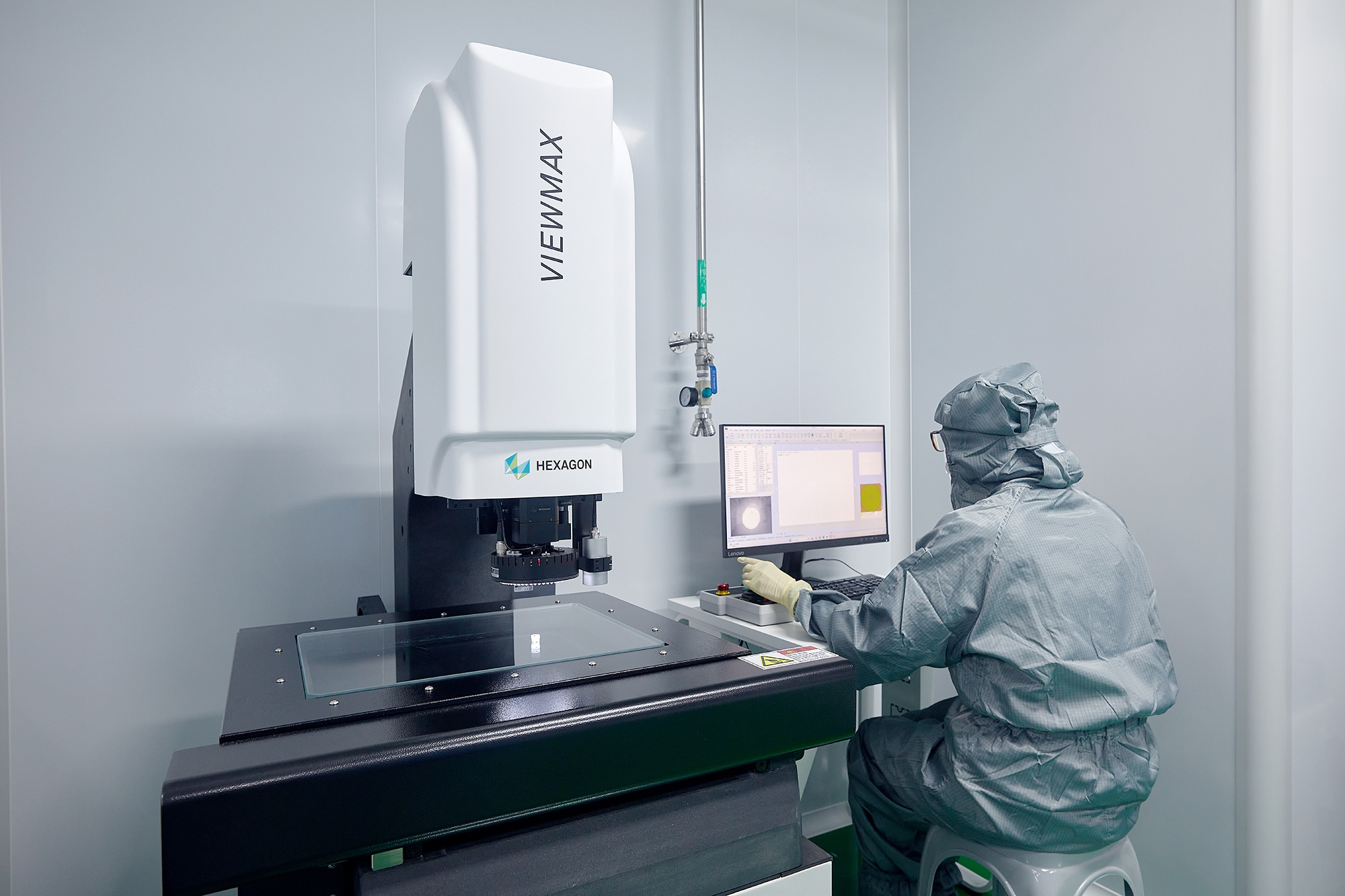
Kingsin supports medical product innovation through an integrated Engineering Service that bridges early concept creation with engineering realization, DFM optimization, rapid prototyping, technical documentation, material sourcing, and scalable manufacturing. Positioned as a specialized OEM/ODM partner for biomedical and interventional medical products, Kingsin operates manufacturing facilities compliant with cGMP standards and certified to ISO 13485.
For engineering and procurement teams assessing potential partners, Kingsin matches the evaluation framework through the following structured capabilities:
End-to-End Product Design Support: Backed by over ten years of industry experience and 200+ successful commercial cases, Kingsin provides design-to-engineering services that balance functional specs, ergonomic requirements, mechanical testing, and regulatory compliance.

DFM Optimization & Cost Analysis: Kingsin conducts DFM reviews during CAD development, focusing on part standardization, manufacturing process selection, assembly line optimization, and quality tolerances, delivering actionable analysis reports and technical recommendations.
Rapid Prototyping Networks: Partnering with specialized prototyping vendors capable of responding within 48 hours, Kingsin enables rapid design iteration for mechanical validation and performance testing.
Traceable Documentation & BOM Management: Engineering packages include fully dimensional drawings, multi-level BOM generation, and component inspection reports to build an audit-ready production record.
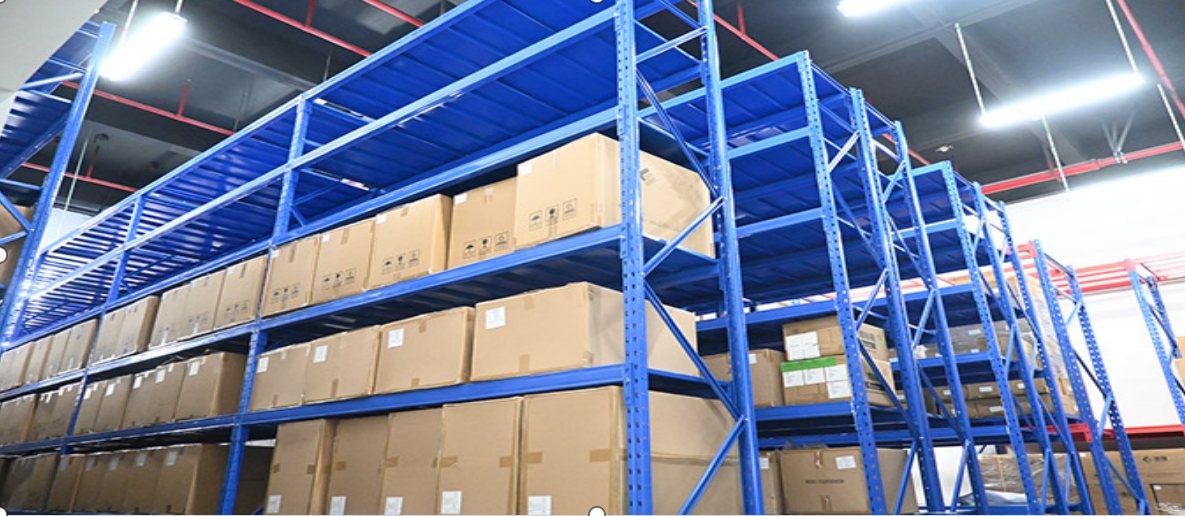
Supply Chain & Strategic Sourcing: Kingsin provides material and component sourcing leveraging an established supplier network across China built over more than a decade to optimize unit costs without compromising quality standards.
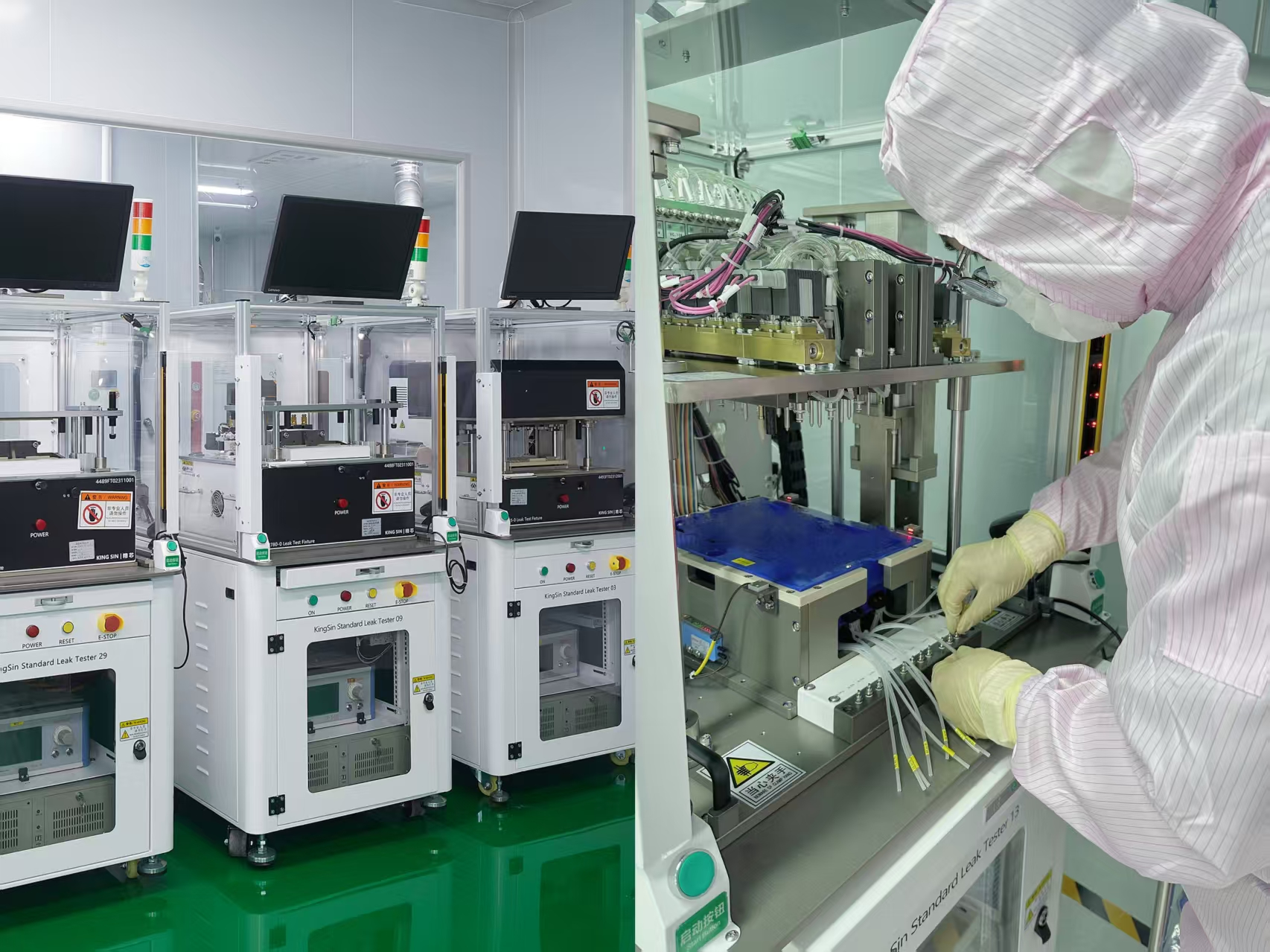
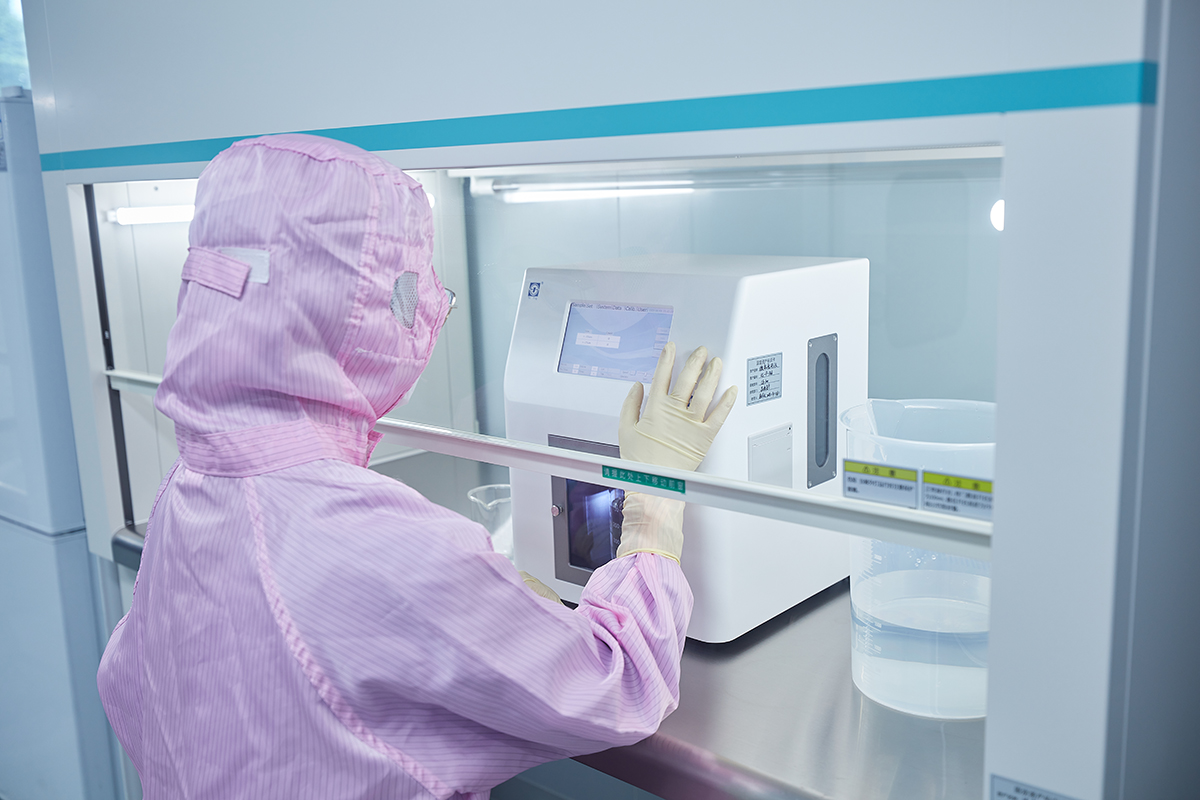
In addition to design and engineering services, Kingsin offers specialized medical-grade production capabilities, including 100T to 450T injection molding, precision extrusion down to 0.22 mm outer diameter, precision welding, SMT assembly, and ISO Class 7 cleanroom manufacturing. These integrated facilities provide the operational continuity required to move seamlessly from engineering design to volume supply.
|
Kingsin capability |
How it fits the selection framework |
|
Product design support |
Connects concepts with engineering realization. |
|
DFM |
Addresses manufacturability during design. |
|
Prototyping |
Supports iterative concept verification and testing. |
|
Documentation & BOM |
Creates clearer production records and traceability. |
|
Sourcing & manufacturing |
Extends support beyond the design stage. |
Choose a medical product design partner by evaluating the complete development path, not just design quality or price. The strongest fit is a partner that can connect product requirements with engineering design, DFM, prototyping, documentation, sourcing, and production support while providing evidence of its capabilities.
For teams evaluating Kingsin, its Engineering Service maps directly to these requirements, from concept-to-engineering design and DFM through prototyping, documentation, sourcing, and manufacturing support. Reviewing these capabilities against your own product requirements, intended use, quality needs, and production plan provides a more practical basis for selecting a long-term medical product development partner.


Copyright © 2025 Kingsin Technology Pte. Ltd. All rights reserved.
By: JOYMAGIC